
The Fabrication Process: From Shop Drawings to Installation
In modern construction, precision and coordination are essential to delivering high-quality results. Metal fabrication is a multi-step process that requires careful planning, technical expertise, and seamless execution from start to finish.
From initial drawings to final installation, each phase plays a critical role in ensuring that metal components meet both structural and architectural requirements.
Understanding the Fabrication Process
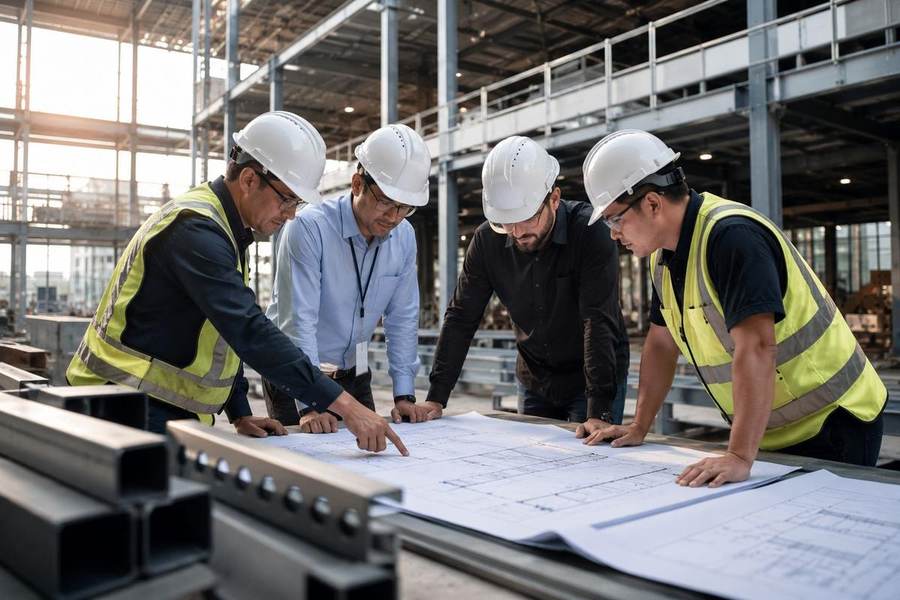
The metal fabrication process involves transforming design concepts into fully realized components used in construction projects. This process requires close coordination between designers, engineers, and fabricators to ensure accuracy and efficiency.
Each stage must be executed with precision to maintain quality, meet timelines, and support overall project success.
Step 1: Shop Drawings and Project Planning
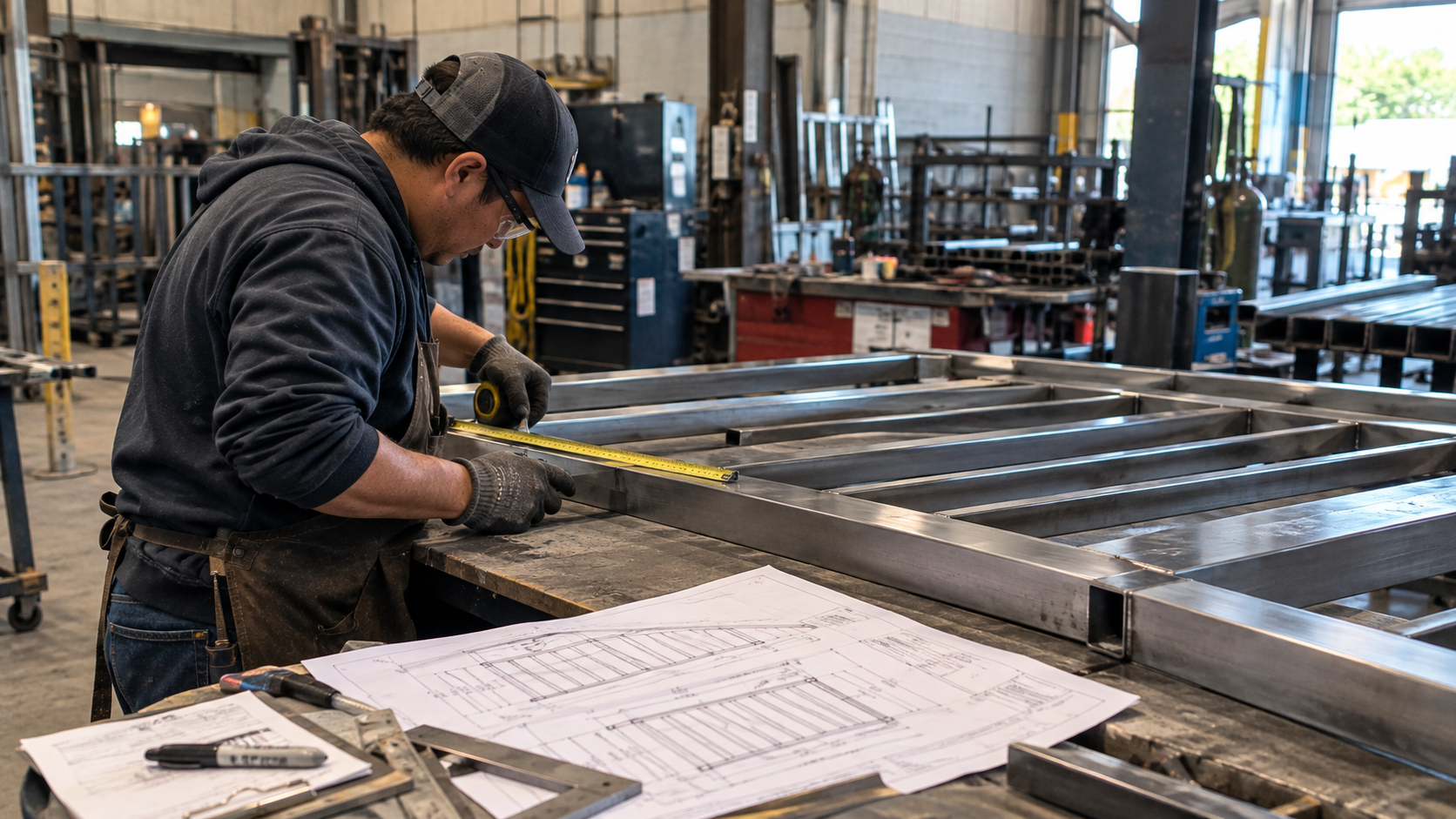
The process begins with the development of detailed shop drawings. These drawings translate architectural and engineering plans into fabrication-ready specifications.
During this phase, fabricators:
- Review design intent and project requirements
- Identify potential challenges or conflicts
- Finalize dimensions, materials, and connection details
Accurate shop drawings are critical to preventing issues later in the process.
Step 2: Material Selection and Preparation
Once drawings are approved, materials are selected based on project specifications. This includes choosing the appropriate type of metal, thickness, and finish required for both performance and appearance.
Materials are then prepared through:
- Cutting to size
- Shaping and forming
- Surface preparation for welding and finishing
Proper preparation ensures consistency and quality throughout fabrication.
Step 3: Fabrication and Assembly
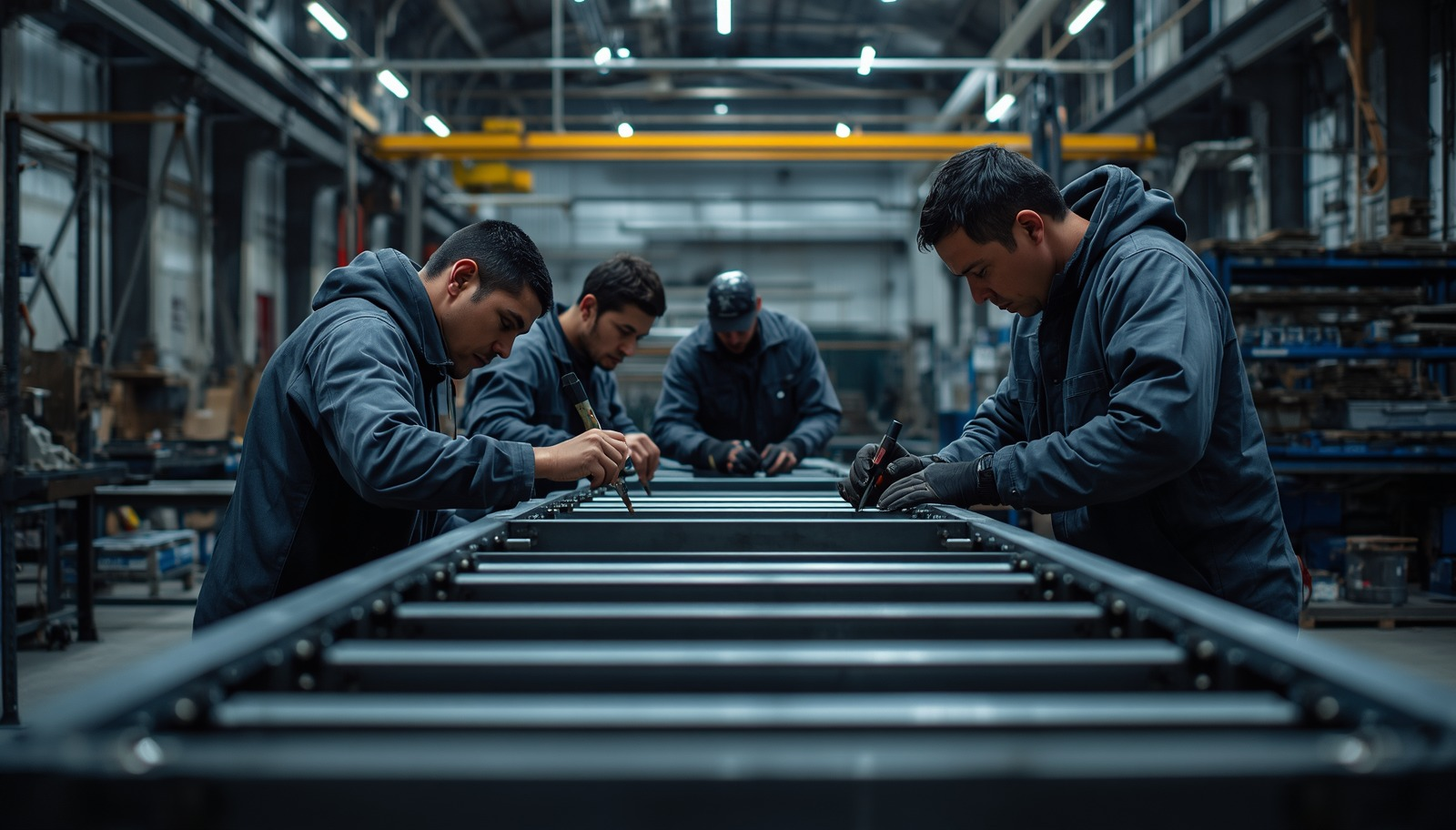
This phase involves the actual construction of metal components. Skilled fabricators use specialized equipment and techniques to bring the design to life.
Key processes include:
- Precision welding
- Component assembly
- Alignment and structural verification
Attention to detail during fabrication ensures that each piece fits correctly and performs as intended.
Step 4: Finishing and Quality Control
Before installation, fabricated components undergo finishing and quality checks. This step ensures that both structural integrity and visual standards are met.
This includes:
- Surface finishing (grinding, polishing, coating)
- Inspection for accuracy and consistency
- Verification against project specifications
Quality control is essential to delivering a clean, professional result.
Step 5: Delivery and Installation
The final phase involves transporting components to the job site and completing installation. Coordination during this stage is critical to maintaining project timelines.
Installation requires:
- Proper alignment and anchoring
- Coordination with other trades
- Final adjustments to ensure a precise fit
Efficient installation ensures that the fabricated components integrate seamlessly into the overall structure.
Why the Process Matters
Each step in the fabrication process contributes to the overall quality and success of a project. Skipping or rushing any phase can lead to delays, rework, or compromised results.
A well-managed fabrication process ensures:
- Accurate execution of design intent
- Reduced risk of errors during construction
- Consistent quality from start to finish
Conclusion
From shop drawings to final installation, metal fabrication is a detailed and highly coordinated process. Each phase plays a vital role in delivering durable, functional, and visually refined results.
By following a structured approach and maintaining high standards at every stage, fabrication teams help ensure that construction projects are completed efficiently and to the highest level of quality.