
Why Architectural Metal Railings Are Essential in Modern Building Design
Modern buildings are expected to deliver more than just functionality. Today’s architects, developers, and property owners seek solutions that combine safety, durability, and visual appeal. Architectural metal railings have become a key component in achieving these objectives.
From rooftop terraces and balconies to stairways and elevated walkways, metal railing systems play an important role in both the performance and appearance of a building. As architectural design continues to evolve, metal railings remain one of the most versatile and effective solutions available.
The Role of Architectural Metal Railings
At their core, railing systems are designed to provide safety and protection. They help prevent falls, define spaces, and support code compliance in both commercial and residential environments.
However, modern railing systems do much more than satisfy safety requirements. Architects increasingly use metal railings as design elements that contribute to the overall character and aesthetic of a building.
Well-designed railing systems can complement architectural features, frame views, and enhance the user experience of a space.
Combining Safety and Design
One of the greatest advantages of architectural metal railings is their ability to balance functionality with visual appeal.
Unlike many traditional railing materials, metal allows for clean lines, custom configurations, and contemporary detailing. This makes it possible to achieve modern design goals without sacrificing performance or durability.
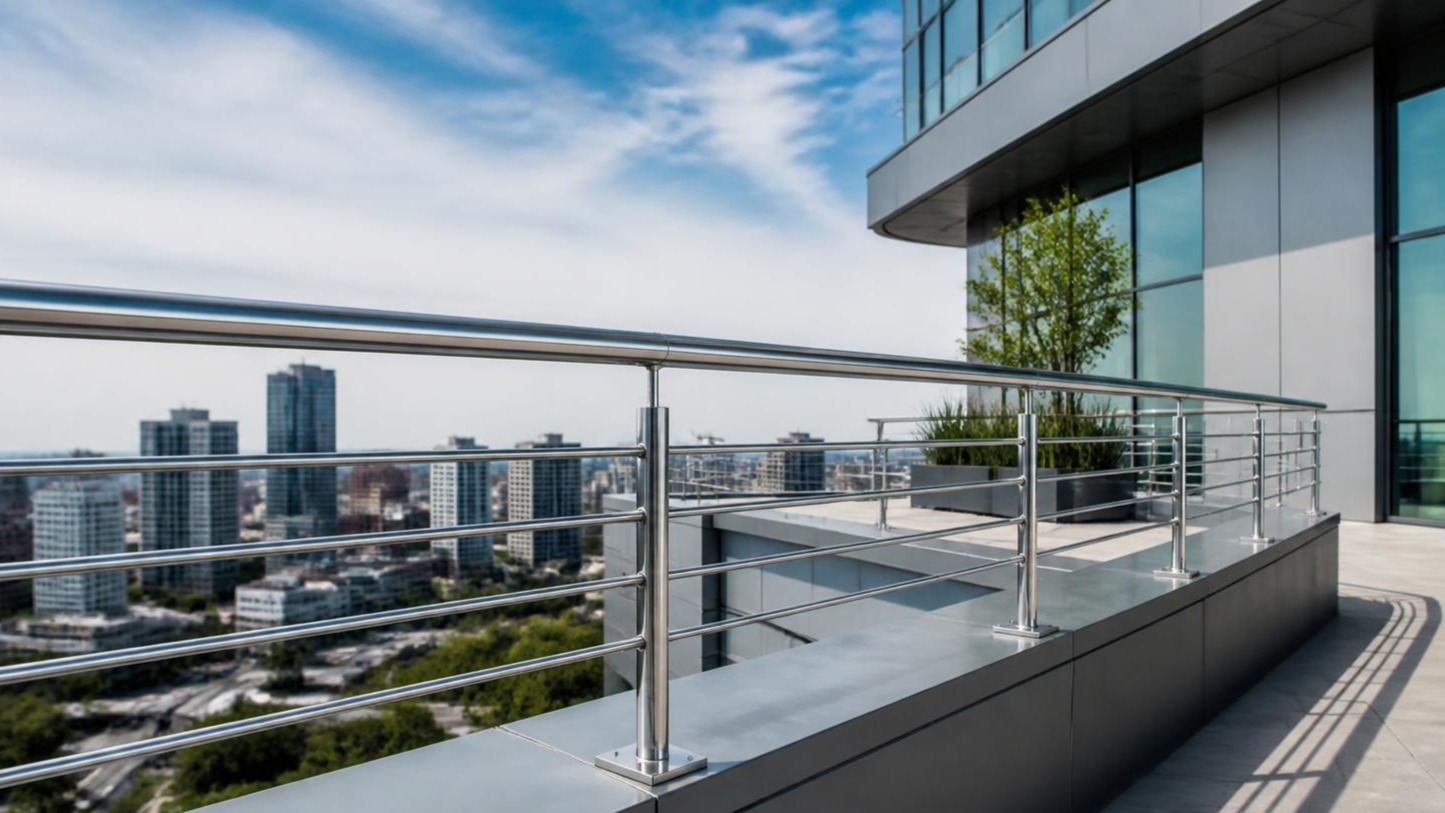
Whether incorporated into a rooftop amenity space or a commercial stair system, metal railings provide both protection and architectural value.
Benefits of Metal Railing Systems
Durability and Strength
Metal railings are built to withstand daily use and environmental exposure. Materials such as stainless steel, aluminum, and carbon steel provide excellent structural performance and long-term reliability.
With proper fabrication and finishing, these systems can maintain their appearance and functionality for many years.
Design Flexibility
Architectural metal railings can be customized to fit a wide range of project requirements.
Options may include:
- Horizontal or vertical infill systems
- Decorative metal panels
- Powder-coated finishes
- Custom handrails
- Integrated architectural details
This flexibility allows designers to create railing systems that align with the overall vision of a project.
Low Maintenance Requirements
Compared to some alternative materials, metal railings often require minimal maintenance. Protective coatings and finishes help resist corrosion, weathering, and everyday wear, making them an efficient long-term solution.
Compatibility with Modern Architecture
Contemporary architecture often emphasizes open spaces, clean detailing, and unobstructed views. Metal railing systems support these design goals by providing strong yet visually lightweight solutions.
Their versatility makes them suitable for a variety of building types and architectural styles.
Applications Across Commercial Projects
Architectural metal railings are commonly used in:
- Multifamily residential developments
- Apartment communities
- Commercial office buildings
- Hotels and hospitality projects
- Educational facilities
- Public buildings
- Rooftop amenity spaces
Because of their adaptability, metal railings continue to be one of the most widely used architectural metal features in modern construction.
The Importance of Quality Fabrication
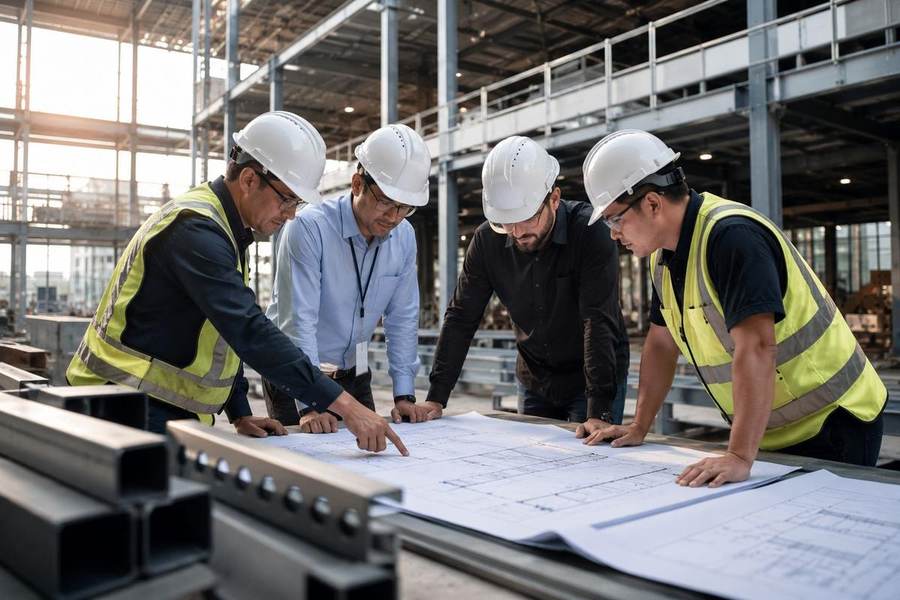
The performance of a railing system depends heavily on the quality of its fabrication and installation.
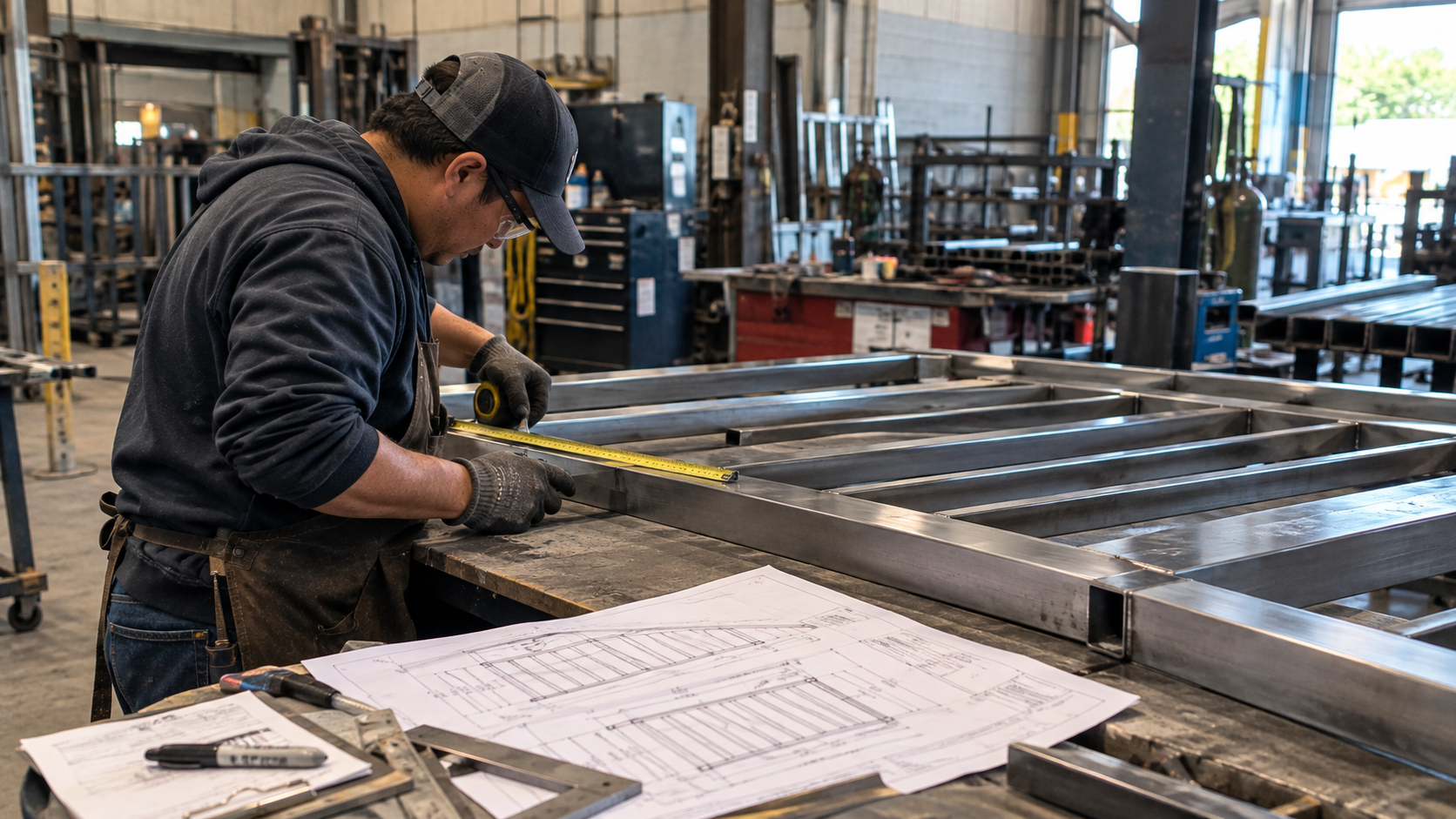
Experienced metal fabricators ensure that components are manufactured to precise specifications, resulting in:
- Accurate fit and finish
- Consistent quality
- Reliable structural performance
- Efficient installation
Attention to detail throughout the fabrication process helps ensure that the final product meets both design expectations and safety standards.
Conclusion
Architectural metal railings are far more than a building requirement. They are an essential design element that contributes to safety, functionality, and aesthetics in modern construction.
By combining durability, flexibility, and visual appeal, metal railing systems help create spaces that are both attractive and built to perform. As building design continues to evolve, architectural metal railings will remain a critical component of successful projects.