
The Benefits of Custom Metal Fabrication for Commercial Construction Projects
In today’s commercial construction industry, no two projects are exactly alike. Architects, developers, and general contractors often require solutions that meet unique design, structural, and functional requirements. This is where custom metal fabrication plays a critical role.
Custom metal fabrication allows construction teams to create components tailored specifically to a project’s needs, ensuring greater flexibility, improved performance, and a higher level of quality throughout the building process.
What Is Custom Metal Fabrication?
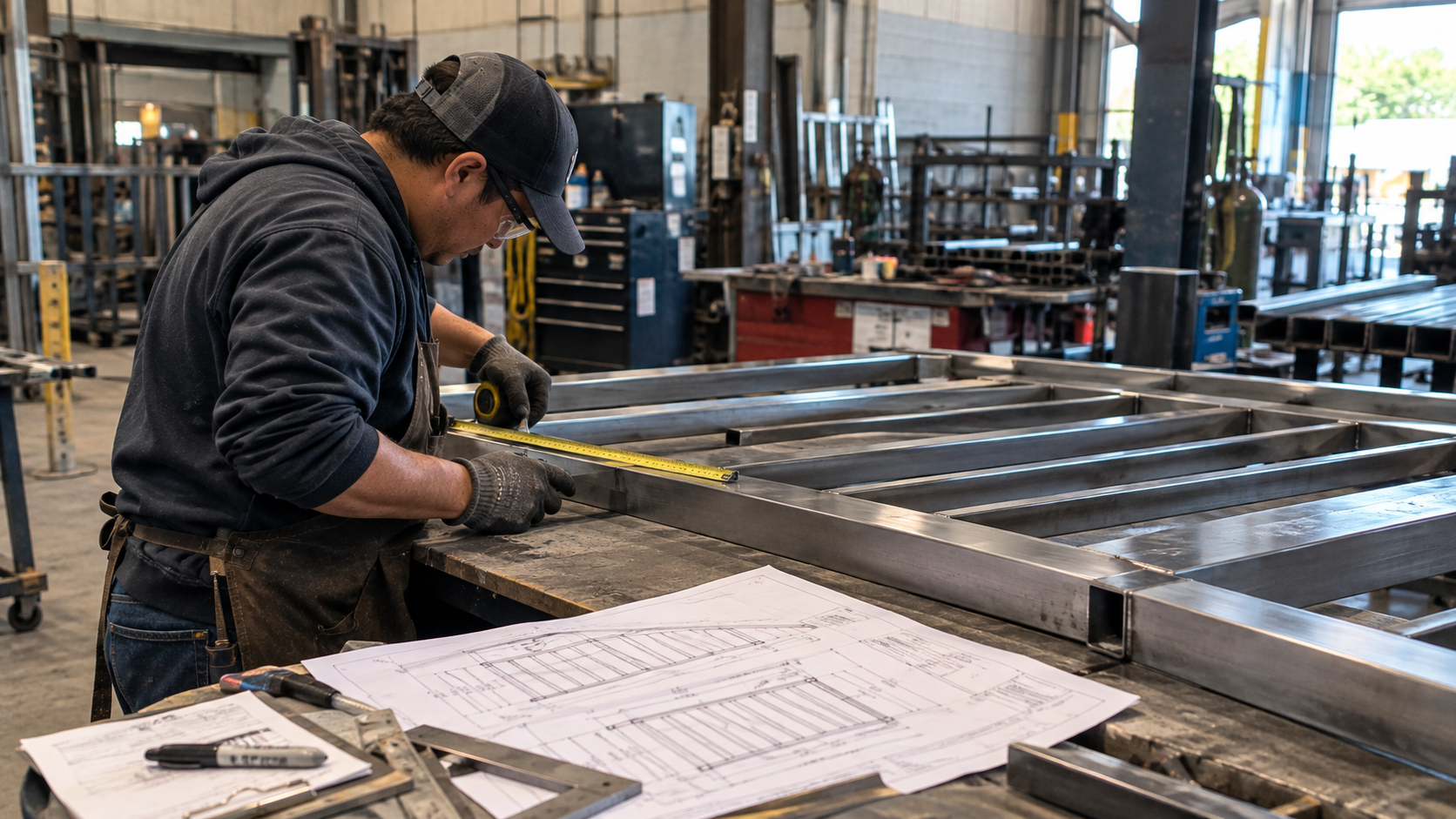
Custom metal fabrication is the process of designing, manufacturing, and assembling metal components according to project-specific requirements. Unlike off-the-shelf products, custom-fabricated elements are engineered to fit exact dimensions, design specifications, and performance standards.
Common custom metal fabrication applications include:
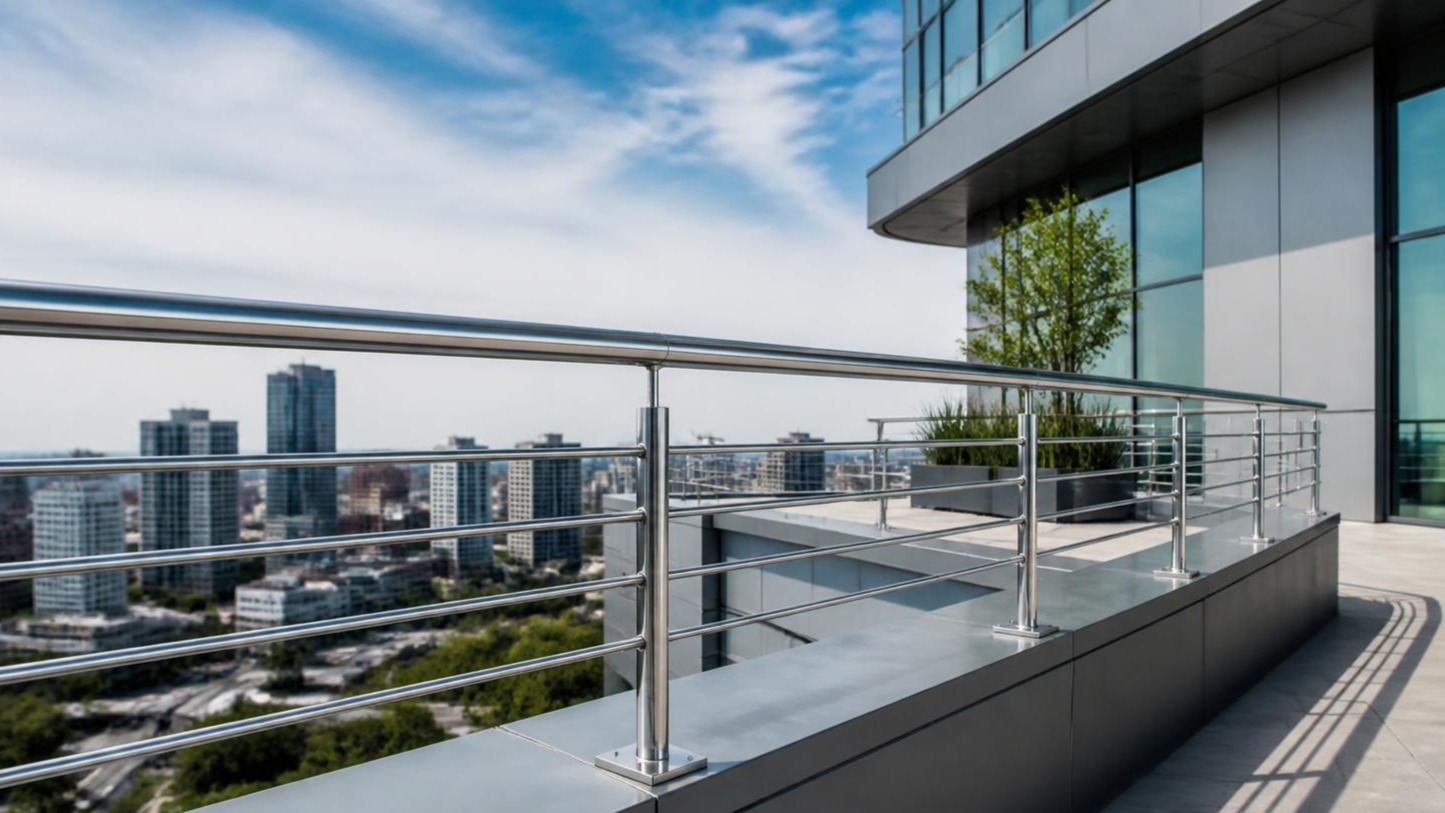
- Architectural railing systems
- Decorative metal features
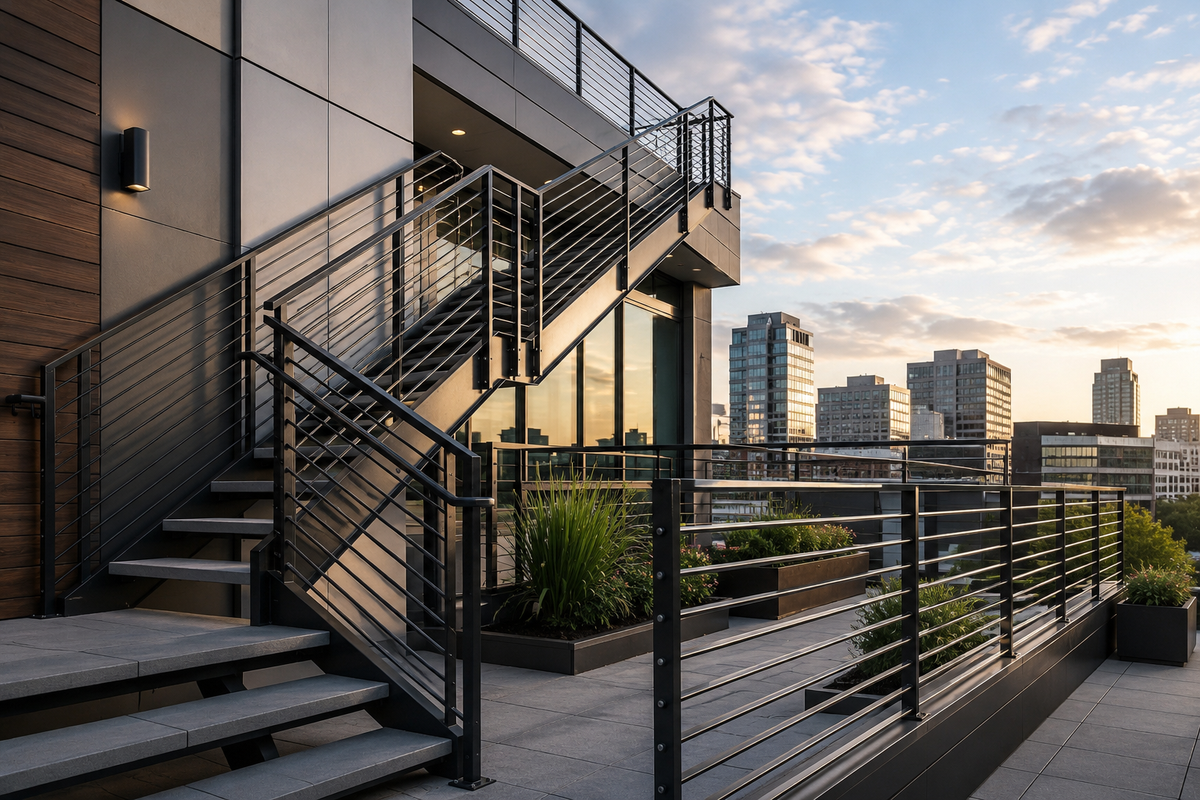
- Stair systems
- Structural steel components
- Metal canopies
- Screens and enclosures
- Specialty architectural metalwork
By creating solutions tailored to each project, fabricators can help architects and builders achieve both functional and aesthetic goals.
Greater Design Flexibility
One of the biggest advantages of custom metal fabrication is the freedom it provides during the design process.
Architects often envision unique features that cannot be achieved using standard products. Custom fabrication allows those concepts to become reality by creating components that match the project’s exact requirements.
Benefits include:
- Custom dimensions and configurations
- Unique architectural details
- Specialized finishes and materials
- Integration with modern design concepts
This flexibility allows project teams to deliver distinctive spaces that stand out while maintaining structural performance.
Improved Project Efficiency
When fabricated correctly, custom metal components are designed specifically for their intended location within the project.
This precision can help:
- Reduce field modifications
- Minimize installation challenges
- Improve coordination between trades
- Accelerate construction schedules
By ensuring components are fabricated accurately before arriving on-site, teams can avoid costly delays and maintain project momentum.
Enhanced Quality and Precision
Custom fabrication requires detailed planning, engineering, and quality control throughout the manufacturing process.
Experienced fabricators utilize:
- Detailed shop drawings
- Advanced fabrication equipment
- Quality inspections
- Precision manufacturing techniques
This level of attention to detail helps ensure that finished components meet project specifications and perform as intended.
Long-Term Durability
Commercial buildings require materials capable of withstanding years of use and environmental exposure.
Custom metal fabrication allows project teams to select materials and finishes based on specific performance requirements, including:
- Corrosion resistance
- Structural strength
- Weather protection
- Low maintenance needs
Proper material selection contributes to longer service life and reduced maintenance costs over time.
Better Coordination During Construction
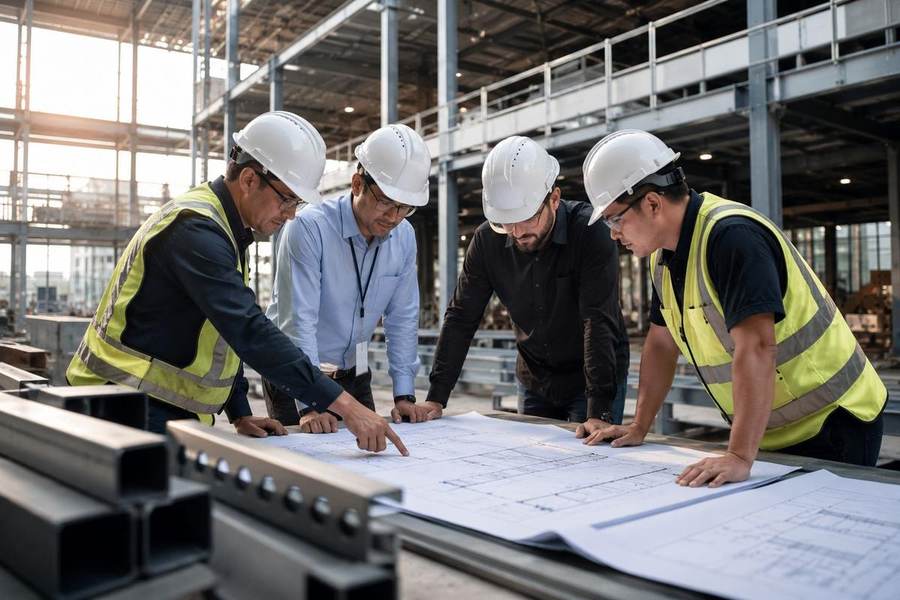
Successful commercial construction projects rely on collaboration between architects, engineers, fabricators, and contractors.
When fabricators become involved early in the process, they can provide valuable input regarding:
- Constructability
- Material selection
- Fabrication methods
- Installation sequencing
This collaboration helps identify potential issues before construction begins, reducing the likelihood of delays or costly revisions.
Supporting Architectural Vision
Today’s commercial developments often include architectural features that serve as focal points for the building.
Custom metal fabrication enables teams to create:
- Modern railing systems
- Decorative screens
- Signature stairways
- Custom façade elements
- Unique exterior features
These elements help reinforce the architectural vision while delivering the durability and functionality expected in commercial environments.
Why Experience Matters
The success of any custom metal fabrication project depends on the expertise of the fabrication team.
An experienced fabrication partner understands how to balance design intent, structural requirements, budget considerations, and installation needs throughout the project lifecycle.
By working with qualified professionals, project teams can achieve better outcomes, improved efficiency, and long-term value.
Conclusion
Custom metal fabrication offers significant advantages for commercial construction projects. From increased design flexibility and improved quality to better project coordination and long-term durability, custom solutions help bring architectural concepts to life while supporting project success.
As commercial construction continues to evolve, custom fabrication remains an essential tool for delivering functional, durable, and visually impressive building solutions.