
Blog Grid

Architecture & Building

How to Choose the Right Metal Fabrication Company for Your Project

In today’s construction industry, selecting the right metal fabrication partner can have a significant impact on the success of a project. From structural components to architectural features, metal fabrication plays a critical role in both performance and design.

With complex builds, tight schedules, and increasing quality expectations, choosing a qualified and experienced metal fabricator is more important than ever.

What Does a Metal Fabrication Company Do?

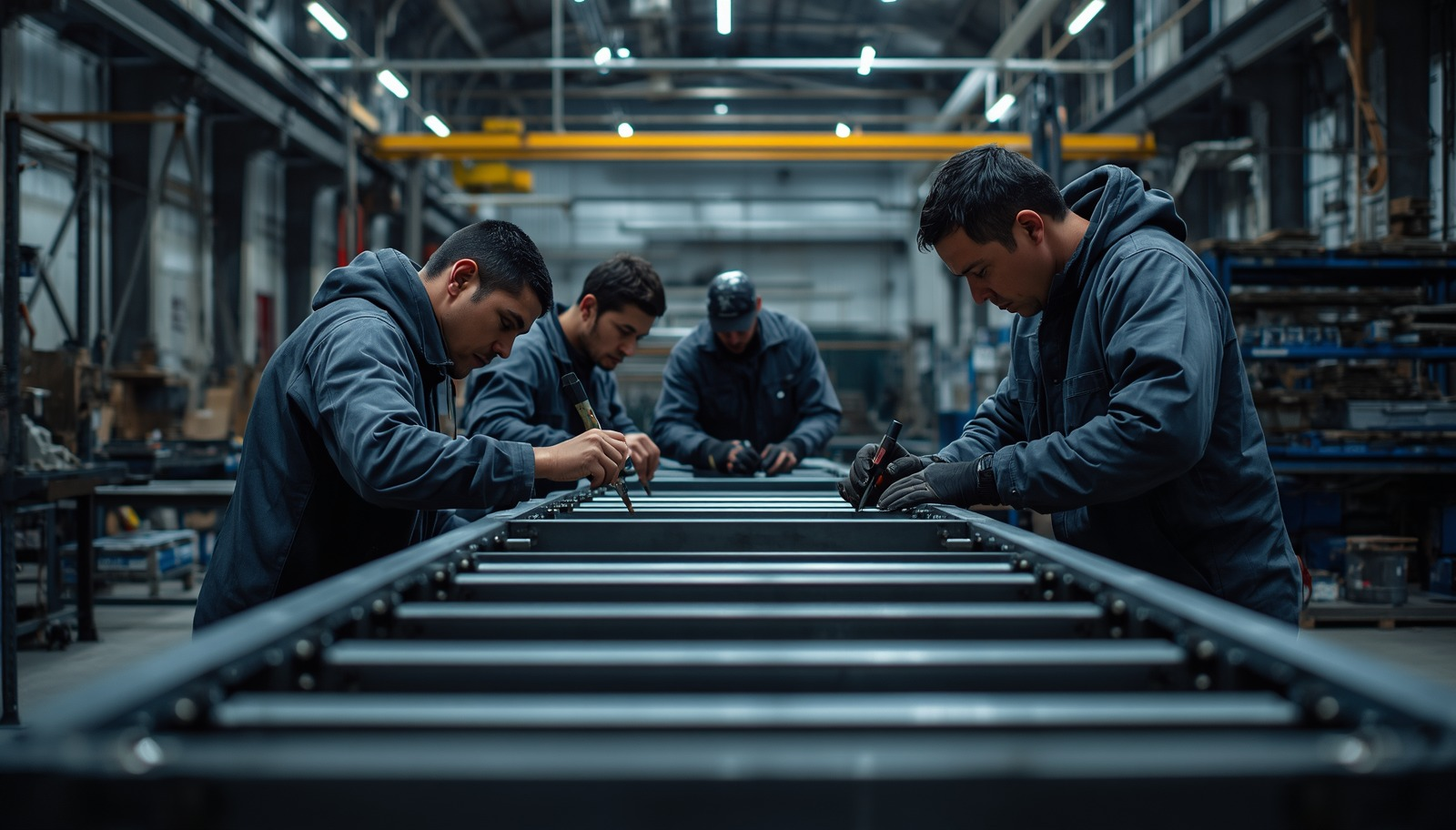
A metal fabrication company is responsible for transforming raw materials into finished components used in construction projects. This includes cutting, forming, welding, and assembling metal systems that meet both structural and architectural requirements.

In commercial and architectural projects, fabricators often handle:

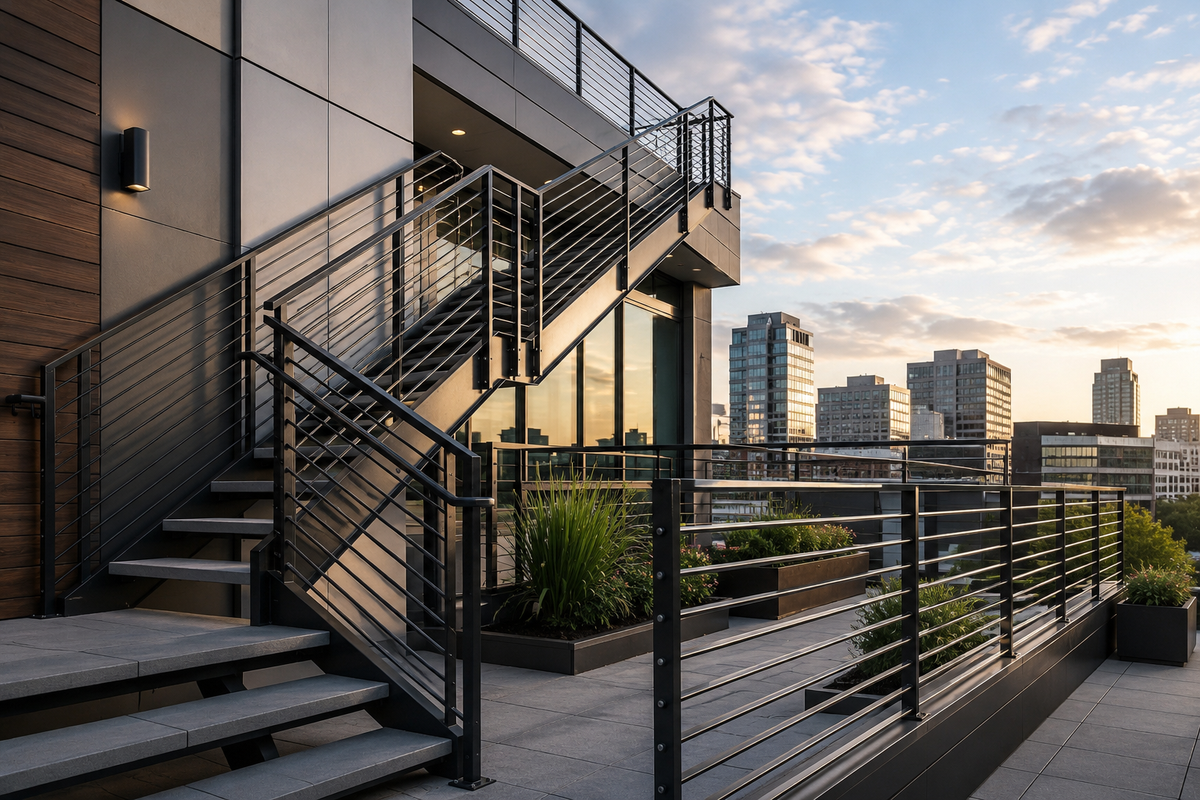
  • Custom metal railings and guardrails
  • Structural steel components
  • Decorative and architectural metal features
  • Stairs, platforms, and support systems

Their work directly impacts the safety, durability, and visual quality of the final build.

Key Factors to Consider When Choosing a Metal Fabricator

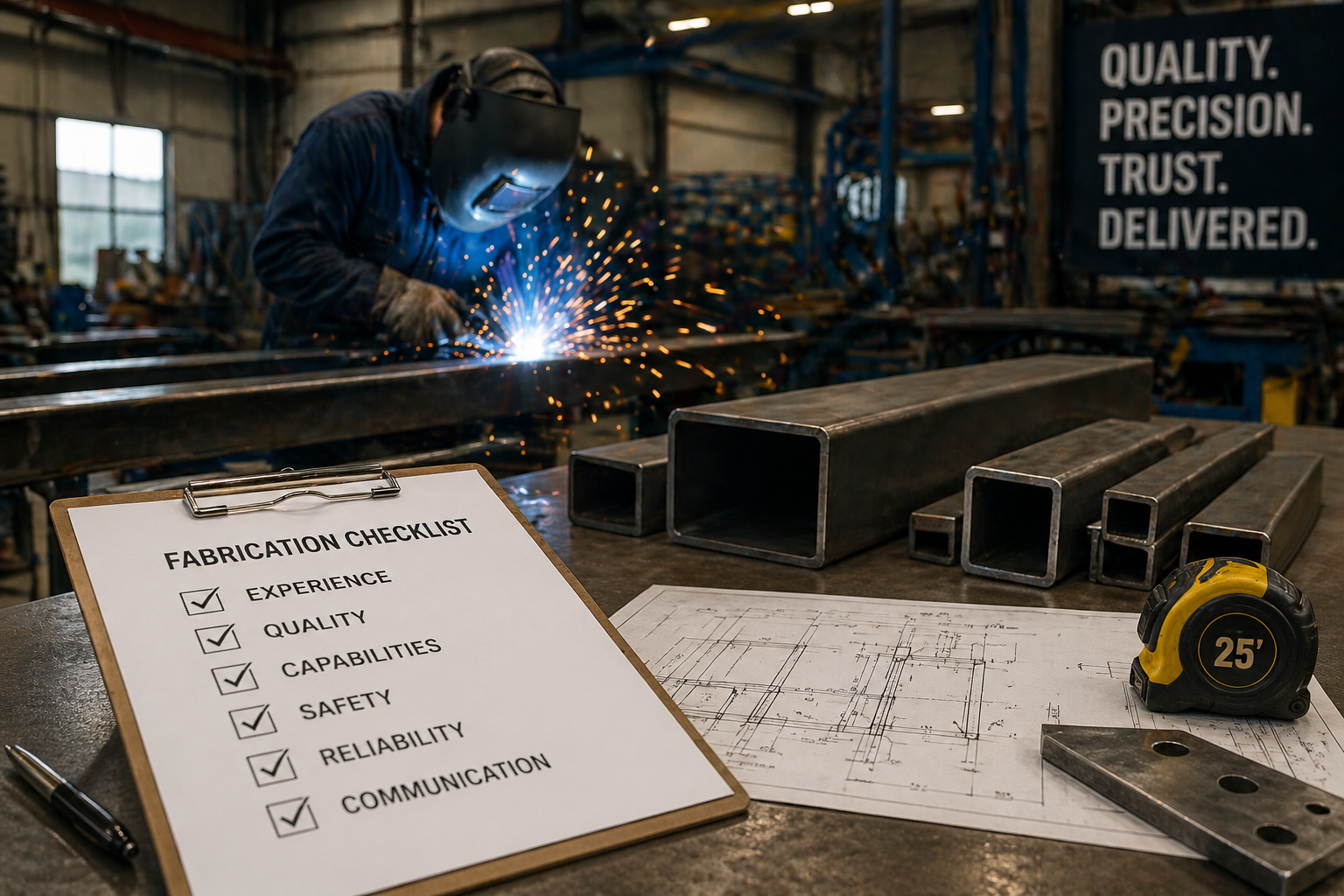
Experience and Project Portfolio

One of the most important factors is proven experience. A fabricator with a strong portfolio demonstrates the ability to deliver across a range of project types and complexities.

Reviewing past work helps ensure the company has experience with:

  • Similar project scopes
  • Comparable materials and systems
  • Architectural design requirements

Fabrication Capabilities

Not all fabrication shops offer the same level of capability. It’s important to work with a company that can handle the technical demands of your project.

Key capabilities to look for include:

  • Advanced fabrication equipment
  • Custom metalwork expertise
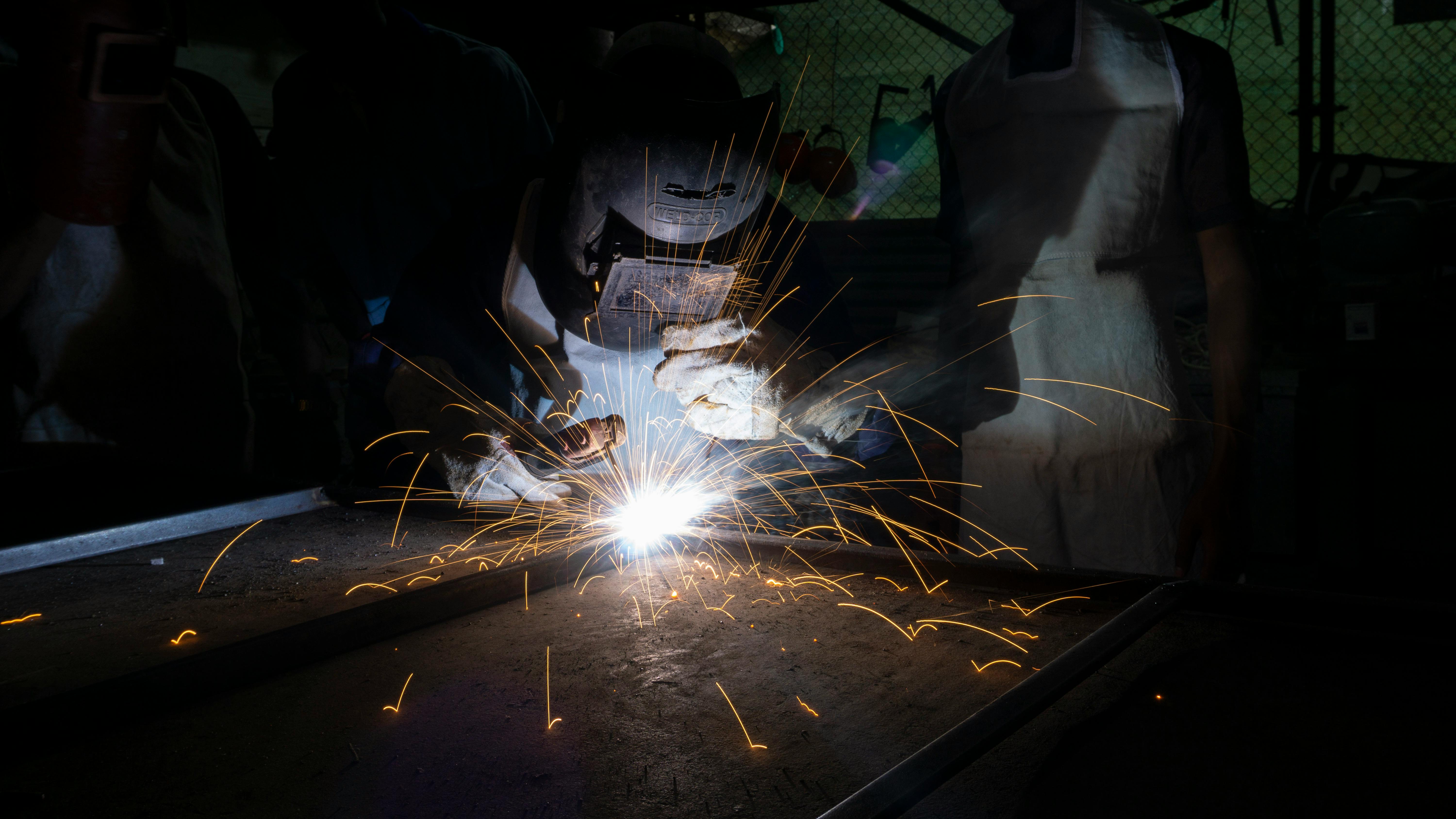
  • Precision welding and finishing
  • Ability to manage large-scale or complex builds

Quality Standards and Attention to Detail

High-quality metalwork requires precision at every stage—from shop drawings to final installation.

A reliable fabricator will prioritize:

  • Accurate measurements and fabrication
  • Clean welds and finishes
  • Consistency across all components
  • Compliance with safety and building codes

Attention to detail ensures both long-term performance and a polished final appearance.

Communication and Coordination

Successful construction projects rely on clear communication between all trades. A strong metal fabrication partner will work closely with architects, engineers, and contractors throughout the process.

This includes:

  • Reviewing drawings and identifying potential issues early
  • Coordinating with other trades during installation
  • Maintaining clear timelines and expectations

Effective coordination helps prevent delays and costly changes during construction.

Project Timeline and Reliability

Timely fabrication and installation are essential to keeping projects on schedule. Delays in metal components can impact multiple phases of construction.

Choosing a fabricator with a proven track record of reliability helps ensure:

  • Materials are delivered on time
  • Installation aligns with project sequencing
  • Deadlines are consistently met

Common Mistakes to Avoid

Selecting the wrong fabrication partner can lead to challenges that affect both cost and schedule. Common mistakes include:

  • Choosing based on price alone instead of value
  • Overlooking experience with similar projects
  • Failing to verify fabrication capabilities
  • Poor communication leading to coordination issues

Avoiding these pitfalls can significantly improve project outcomes.

Why the Right Fabricator Matters

Metal fabrication is not just a supporting trade—it plays a key role in both structural integrity and architectural design. The right partner helps ensure that designs are executed accurately, efficiently, and with long-term performance in mind.

From initial planning to final installation, a skilled fabricator contributes to:

  • Improved project efficiency
  • Reduced risk of delays and rework
  • Higher quality finished results

Conclusion

Choosing the right metal fabrication company is a critical step in delivering a successful construction project. By prioritizing experience, capability, communication, and quality, project teams can ensure that their metalwork meets both functional and design expectations.

As construction projects continue to evolve, working with a reliable and experienced fabrication partner remains essential to achieving efficient, high-quality results.

Architecture & Building

What Is Design-Assist in Construction and Why It Saves Projects Time

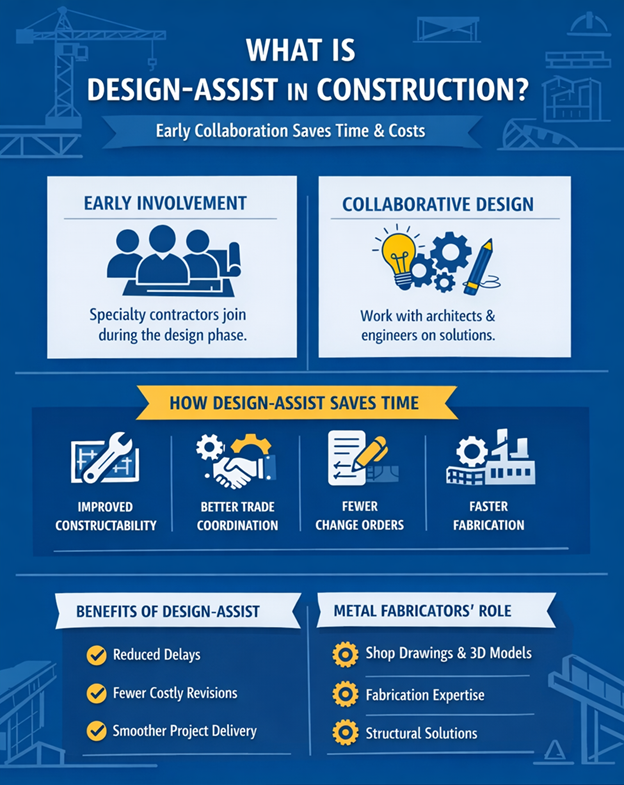
In today’s fast-paced construction industry, collaboration is more important than ever. Complex building designs, tight project schedules, and rising construction costs have pushed teams to find more efficient ways to move from concept to completion. One approach that has become increasingly valuable is design-assist in construction.

Design-assist is a collaborative project delivery method where key subcontractors—such as metal fabricators, structural steel contractors, and specialty trades—are brought into the project during the design phase. By involving these experts early in the process, project teams can improve constructability, reduce delays, and ultimately save both time and money.

What Is Design-Assist?

Design-assist is a construction approach where specialized contractors collaborate with architects and engineers before the final design is completed. Rather than waiting until drawings are finalized and bidding begins, fabricators and trade partners help guide the design to ensure it can be efficiently fabricated and installed.

This process allows contractors with hands-on experience in fabrication and installation to provide insight into:

  • Material selection
  • Structural feasibility
  • Fabrication methods
  • Installation sequencing
  • Budget considerations

By incorporating real-world construction expertise early, project teams can identify potential issues before they become costly problems during construction.

How Design-Assist Differs from Traditional Project Delivery

In traditional construction projects, architects complete the design before subcontractors become involved. Once the design is finalized, the project goes out for bid, and contractors are selected to build exactly what is shown in the drawings.

While this approach works in many situations, it can also lead to challenges such as:

  • Design elements that are difficult or expensive to fabricate
  • Coordination conflicts between different trades
  • Unexpected installation challenges
  • Costly redesigns or change orders

Design-assist helps prevent these issues by allowing fabricators and trade specialists to contribute their expertise while the design is still evolving.

How Design-Assist Saves Time on Construction Projects

One of the biggest advantages of design-assist is its ability to streamline the construction process and keep projects on schedule.

Improved Constructability

Experienced fabricators understand how components are manufactured and installed in real-world conditions. By reviewing designs early, they can recommend adjustments that simplify fabrication and installation without compromising architectural intent.

This helps prevent delays that often occur when designs must be modified during construction.

Faster Coordination Between Trades

Large construction projects involve many different disciplines, including structural engineers, architects, mechanical contractors, and specialty fabricators. When trade partners collaborate during the design phase, they can coordinate their systems early and avoid conflicts later in the project.

Early coordination reduces the risk of scheduling issues and installation conflicts on the jobsite.

Reduced Change Orders

Changes made during construction are one of the most common causes of project delays and budget overruns. Design-assist helps minimize these issues by identifying potential problems during the design phase, when adjustments are easier and less costly to make.

More Efficient Fabrication

When fabricators are involved early, they can begin planning production, creating shop drawings, and preparing fabrication strategies before construction begins. This preparation allows materials and components to be produced more efficiently, helping maintain project timelines.

The Role of Metal Fabricators in Design-Assist Projects

Architectural metal fabricators often play a key role in design-assist construction projects. Their expertise in steel fabrication, custom metal systems, and installation methods can help refine designs and ensure that architectural elements are both buildable and structurally sound.

Metal fabricators commonly assist with:

  • Developing detailed shop drawings and 3D models
  • Recommending efficient fabrication techniques
  • Advising on structural connections and support systems
  • Coordinating with structural engineers and other trades

This collaboration helps ensure that complex architectural features—such as custom stair systems, architectural railings, and metal canopies—can be fabricated and installed smoothly.

Why Design-Assist Is Becoming More Common

As construction projects become more complex, design-assist has become a preferred approach for many architects and general contractors. The method encourages collaboration, improves project efficiency, and helps deliver high-quality results.

Key benefits include:

  • Faster project timelines
  • Improved coordination between trades
  • Reduced risk of costly design revisions
  • Better alignment between design intent and fabrication capabilities

For projects that include custom metal fabrication or complex architectural elements, early collaboration with experienced fabricators can make a significant difference in the success of the project.

Supporting Better Construction Outcomes

Design-assist bridges the gap between architectural design and real-world construction. By involving skilled fabricators and trade partners early in the process, project teams can solve problems before they arise and move projects forward with greater confidence.

As the construction industry continues to evolve, design-assist will remain an important strategy for delivering efficient, high-quality building projects on time and within budget.

Architecture & Building

The Role of Custom Metal Fabrication in Modern Architecture

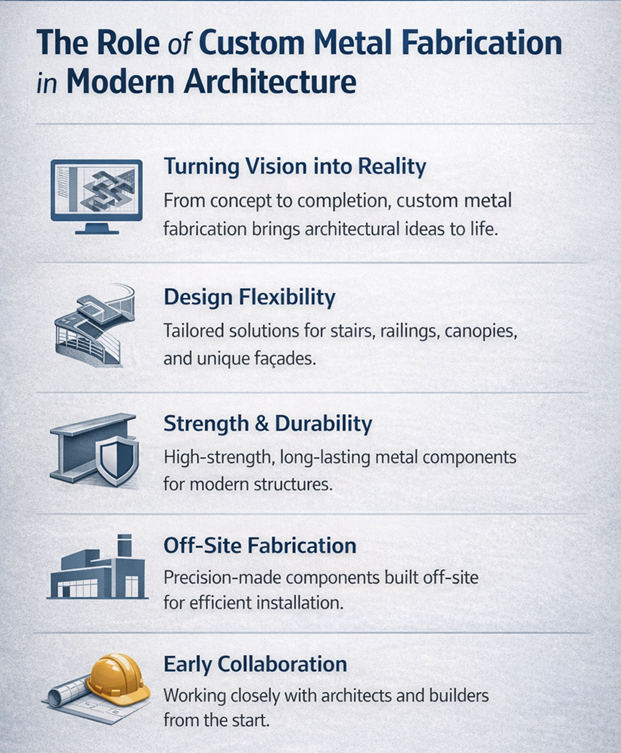
Modern architecture is defined by bold structural forms, clean lines, and innovative materials. One of the most important contributors to these designs is custom metal fabrication, which enables architects and builders to transform complex ideas into durable, functional structures.

From architectural stairs and metal railings to structural steel components and custom canopies, fabricated metal systems play a critical role in modern commercial and institutional construction. As architectural designs become more ambitious, the demand for precision-engineered metal fabrication continues to grow.

Turning Architectural Vision into Buildable Structures

Architects frequently design unique building elements that cannot be created using standard materials. Complex geometries, custom façades, and structural steel features require specialized architectural metal fabrication.

Custom fabrication allows these concepts to become a reality. Using advanced 3D modeling, detailed shop drawings, and precision fabrication techniques, metal fabricators work closely with architects, engineers, and contractors to ensure that each component meets exact design specifications.

This collaborative process helps maintain design intent while ensuring the finished components meet the structural, safety, and performance requirements of modern construction projects.

Design Flexibility with Custom Metal Fabrication

One of the greatest advantages of custom steel fabrication for architecture is the design flexibility it provides. Metal can be cut, formed, welded, and finished to support both structural performance and architectural aesthetics.

Custom-fabricated metal systems are commonly used for:

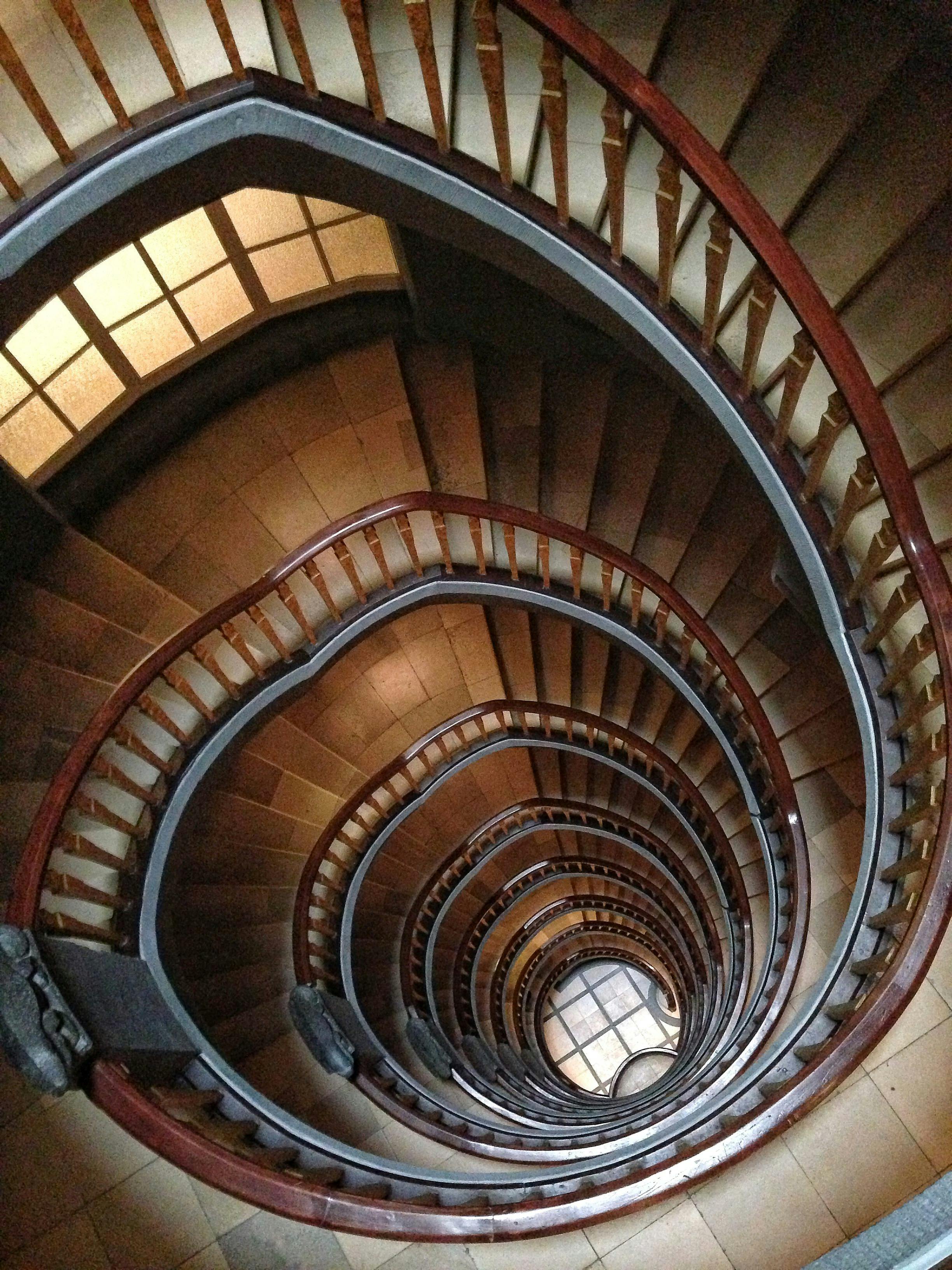
  • Architectural stair systems
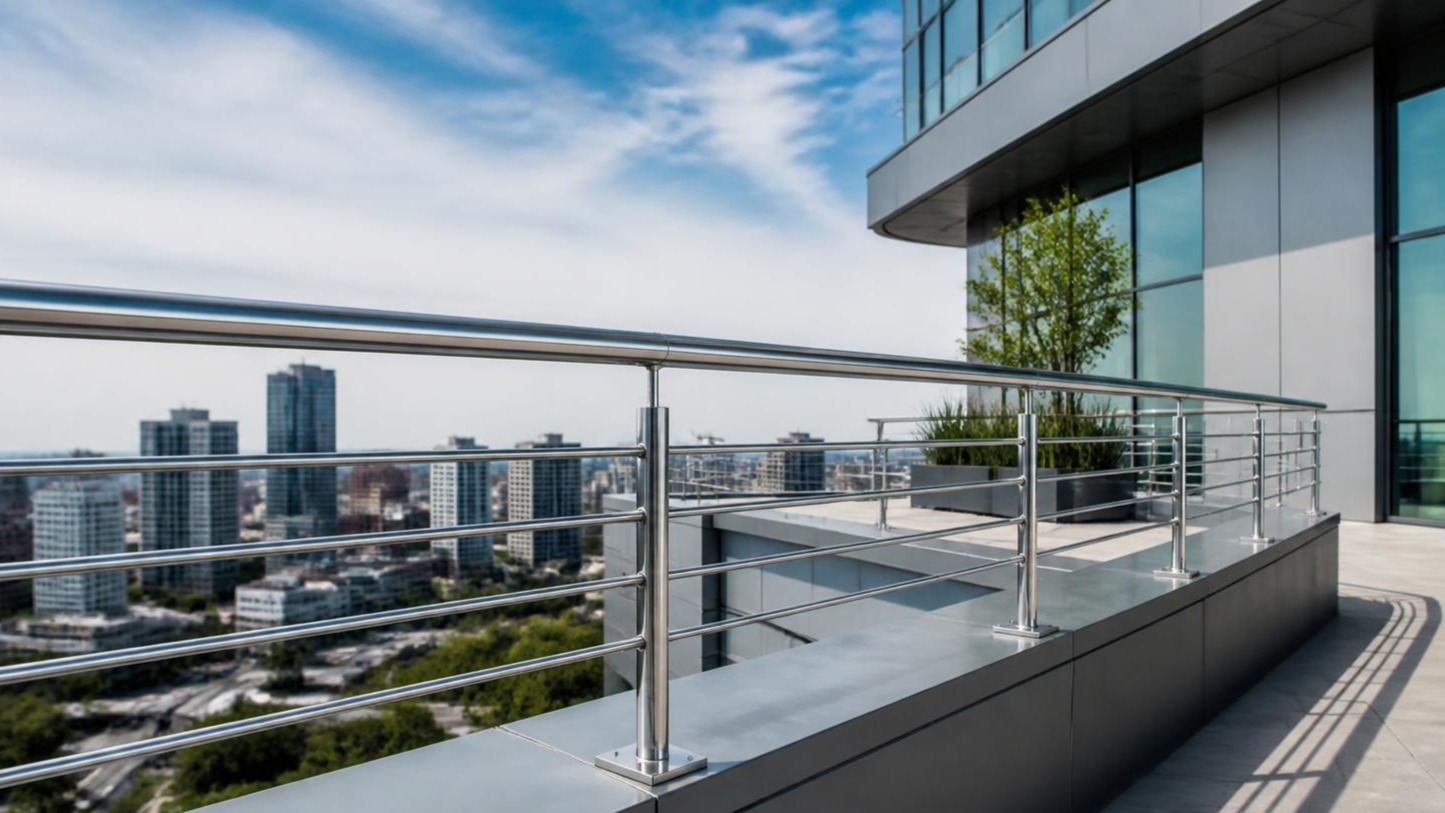
  • Custom metal railings and guardrails
  • Structural steel components
  • Entrance canopies and façade features
  • Decorative architectural metal elements

Because each component is fabricated specifically for the project, architects and designers have the freedom to create unique architectural features that define modern buildings.

Strength, Durability, and Long-Term Performance

Beyond design flexibility, metal fabrication offers significant structural and performance benefits. Steel and other metals provide the strength and durability required for demanding commercial and institutional buildings.

Advantages of custom metal fabrication in construction include:

  • High structural strength and load capacity
  • Long service life
  • Resistance to environmental stress and wear
  • Compatibility with materials such as glass, concrete, and aluminum

When properly fabricated and installed, architectural metal components can remain essential structural elements for decades while maintaining their appearance and functionality.

Improving Construction Efficiency with Off-Site Fabrication

Custom metal fabrication also plays an important role in improving overall project efficiency. Many metal components are fabricated off-site in controlled shop environments, where quality control and precision can be maintained.

Off-site fabrication helps reduce:

  • On-site labor time
  • Installation delays
  • Material waste
  • Coordination challenges between trades

By delivering pre-fabricated metal components ready for installation, construction teams can maintain tighter project schedules and improve overall build efficiency.

The Importance of Early Collaboration

Successful architectural metal projects rely on early collaboration between fabricators, architects, engineers, and general contractors.

When metal fabrication specialists are involved during the early stages of design, they can provide valuable insight into:

  • Constructability
  • Material selection
  • Structural performance
  • Fabrication techniques

This design-assist approach helps prevent costly design revisions later in the project while ensuring that architectural concepts can be fabricated and installed efficiently.

Custom Metal Fabrication in Today’s Built Environment

As modern architecture continues to evolve, custom metal fabrication remains essential to the construction industry. Its ability to combine strength, durability, and design flexibility allows architects and builders to create structures that are both visually striking and structurally sound.

From monumental staircases and architectural canopies to complex structural systems, fabricated metal components help bring modern building designs to life.

Work with an Experienced Metal Fabrication Partner

At DL Metal Design, we specialize in custom metal fabrication for commercial and architectural construction projects. Our team works closely with architects, developers, and contractors to deliver high-quality metal systems from design assist through fabrication and installation.

If you are planning a project that requires precision metal fabrication, our team is ready to help bring your vision to life.