
The Importance of Precision in Architectural Metal Fabrication
In architectural metal fabrication, precision is more than a quality standard—it’s the foundation of every successful project. Whether fabricating custom railings, stair systems, decorative metal panels, or structural components, even the smallest inaccuracies can affect installation, project schedules, and the finished appearance of a building.
As commercial construction projects become more sophisticated, precision fabrication has become essential for delivering architectural metal solutions that meet both structural and design expectations.
Why Precision Matters
Architectural metal components are often manufactured specifically for a single project. Unlike standard products, custom-fabricated pieces must fit exact dimensions while integrating seamlessly with surrounding building elements.
Accurate fabrication helps ensure:
- Proper fit during installation
- Reduced field modifications
- Improved structural performance
- Consistent visual quality
- Better coordination with other trades
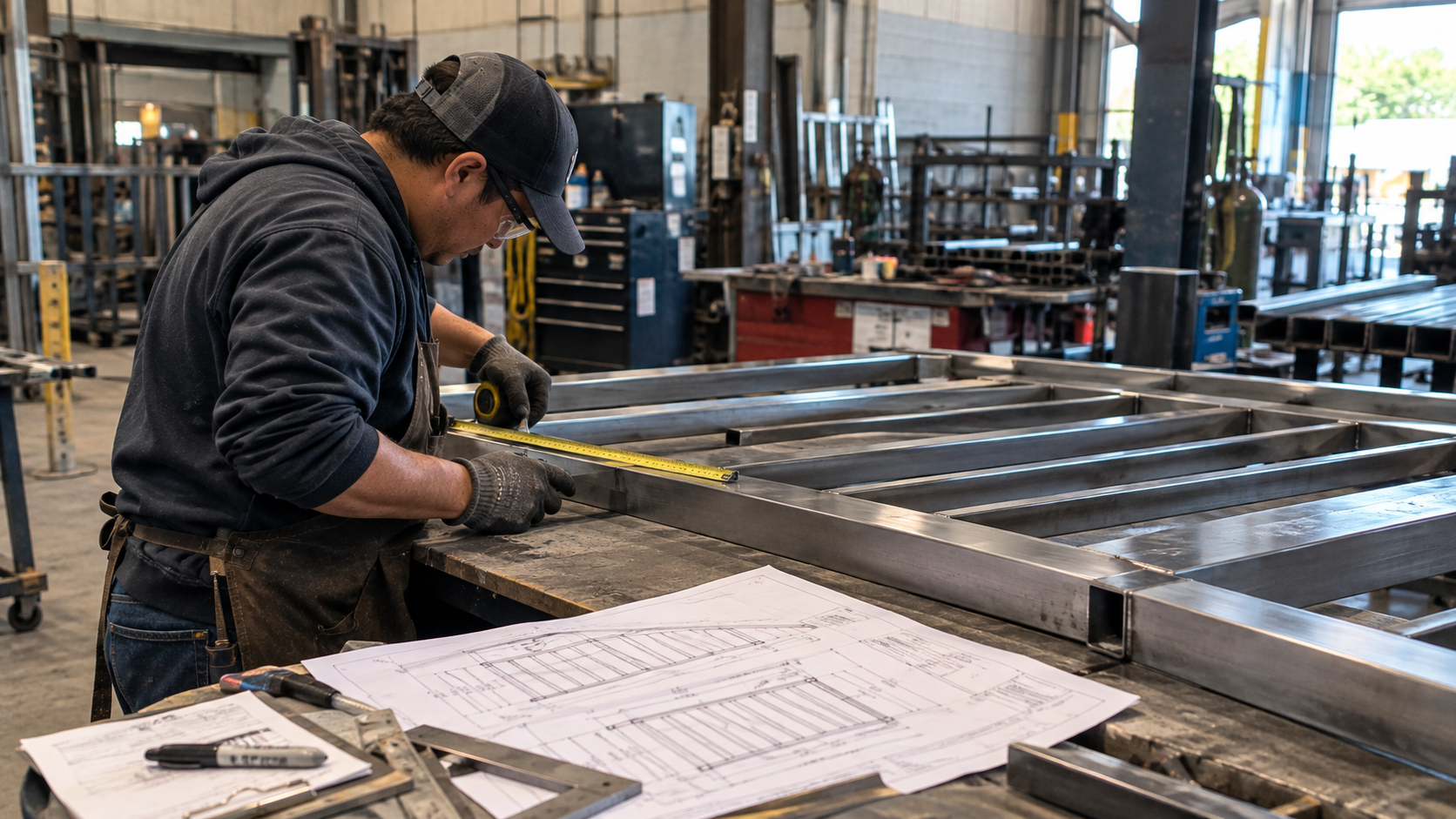
Every measurement, cut, weld, and finish contributes to the overall success of the project.
From Shop Drawings to Fabrication
Precision begins long before fabrication starts.
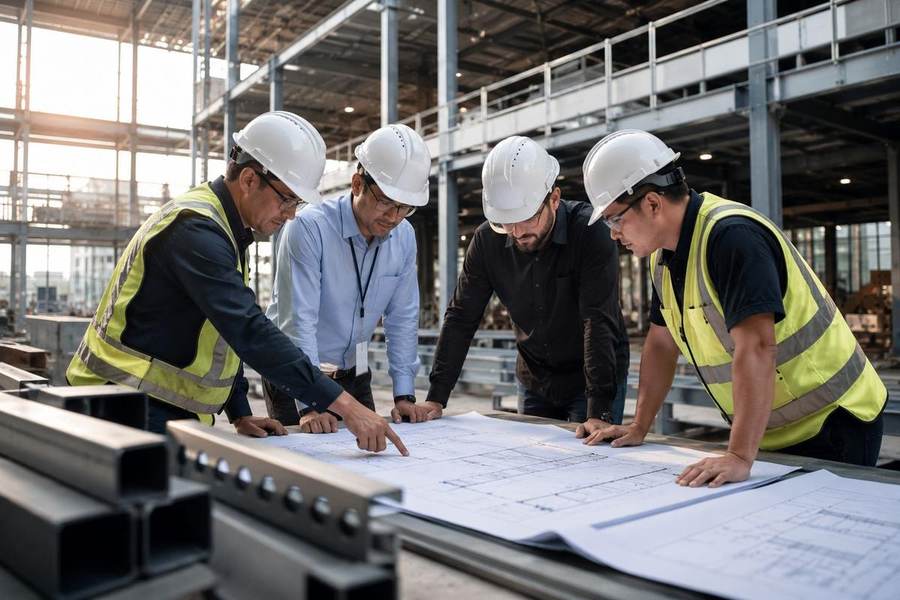
Detailed shop drawings provide the information needed to manufacture components accurately. These drawings translate architectural and engineering designs into fabrication-ready details, including dimensions, material specifications, connection methods, and installation requirements.
A thorough review during this phase helps identify potential conflicts before production begins, reducing delays later in the project.
Advanced Fabrication Techniques
Modern fabrication facilities use advanced equipment and manufacturing processes to produce highly accurate components.
These may include:
- CNC cutting equipment
- Precision welding techniques
- Automated drilling and machining
- Laser measurement systems
- Quality-controlled fabrication processes
These technologies improve consistency while maintaining the high standards required for commercial construction projects.
The Role of Quality Control
Quality control is an essential part of precision fabrication.
Throughout production, fabricated components are inspected to verify:
- Dimensions
- Material quality
- Weld integrity
- Surface finishes
- Overall compliance with project specifications
Comprehensive inspections help ensure that each component is ready for installation and performs as intended.
Benefits During Installation
Accurate fabrication leads to smoother installation on the job site.
Properly manufactured components require fewer field adjustments, allowing installation teams to work more efficiently while maintaining project schedules.
Benefits include:
- Faster installation
- Reduced labor costs
- Improved coordination
- Fewer project delays
- Cleaner finished appearance
This efficiency benefits owners, contractors, and project teams alike.
Supporting Architectural Design
Architectural metal fabrication is often used to create highly visible building features.
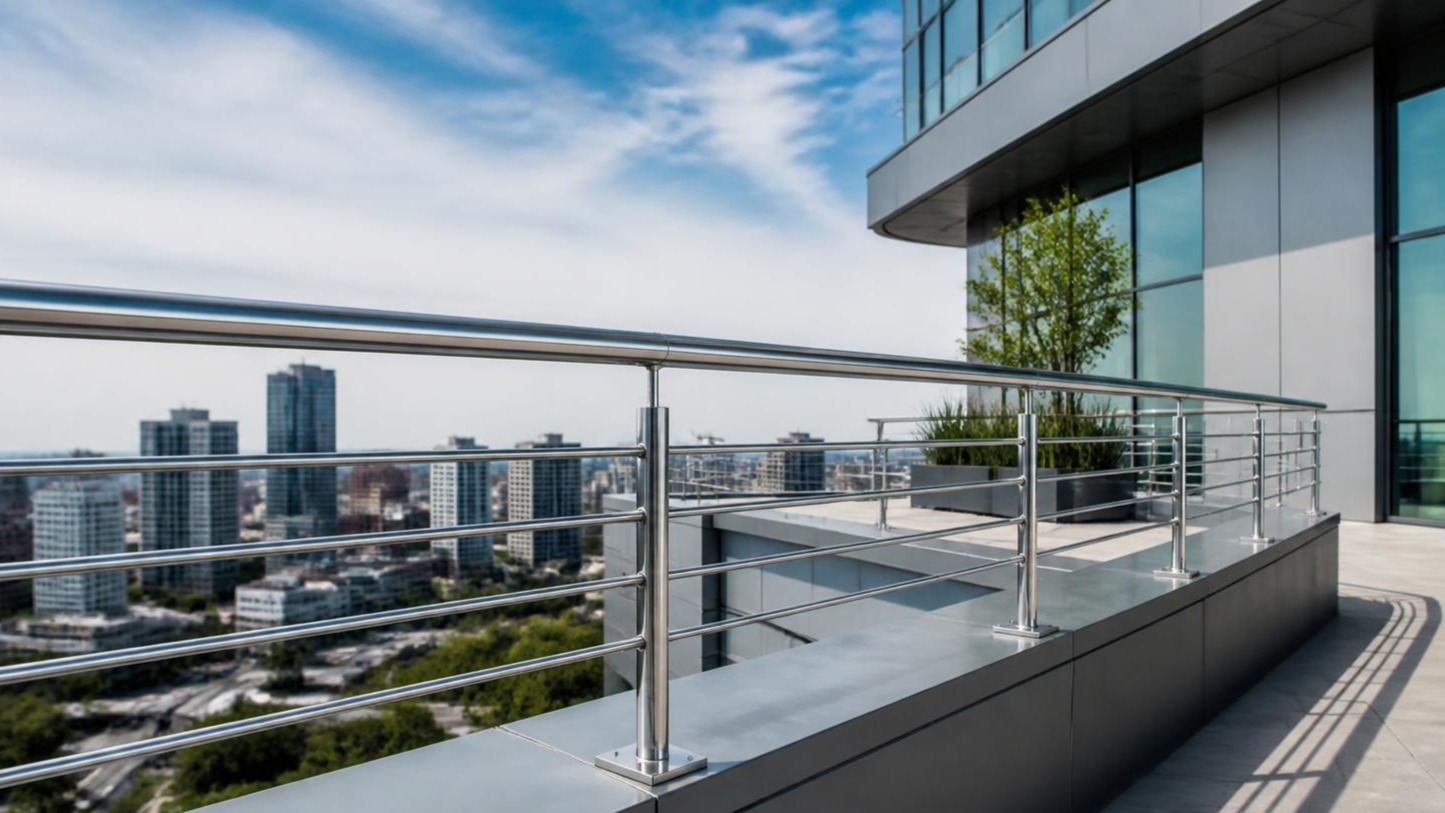
Custom railings, feature stairways, decorative screens, canopies, and specialty metalwork all contribute to a building’s visual identity.
Precision fabrication helps ensure these elements match the architect’s vision while maintaining structural integrity and long-term durability.
Choosing the Right Fabrication Partner
Delivering precision requires more than advanced equipment. It requires experienced professionals who understand design intent, fabrication methods, quality control, and installation requirements.
An experienced fabrication partner works closely with architects, engineers, and contractors to produce components that meet project specifications while supporting efficient construction.
Conclusion
Precision is at the heart of every successful architectural metal fabrication project. From detailed shop drawings and advanced manufacturing techniques to quality inspections and final installation, every step contributes to creating durable, functional, and visually refined metal solutions.
As commercial construction projects continue to demand higher levels of quality and customization, precision fabrication remains essential for delivering results that meet both architectural expectations and long-term performance requirements.