
What Is Design-Assist in Construction and Why It Saves Projects Time
In today’s fast-paced construction industry, collaboration is more important than ever. Complex building designs, tight project schedules, and rising construction costs have pushed teams to find more efficient ways to move from concept to completion. One approach that has become increasingly valuable is design-assist in construction.
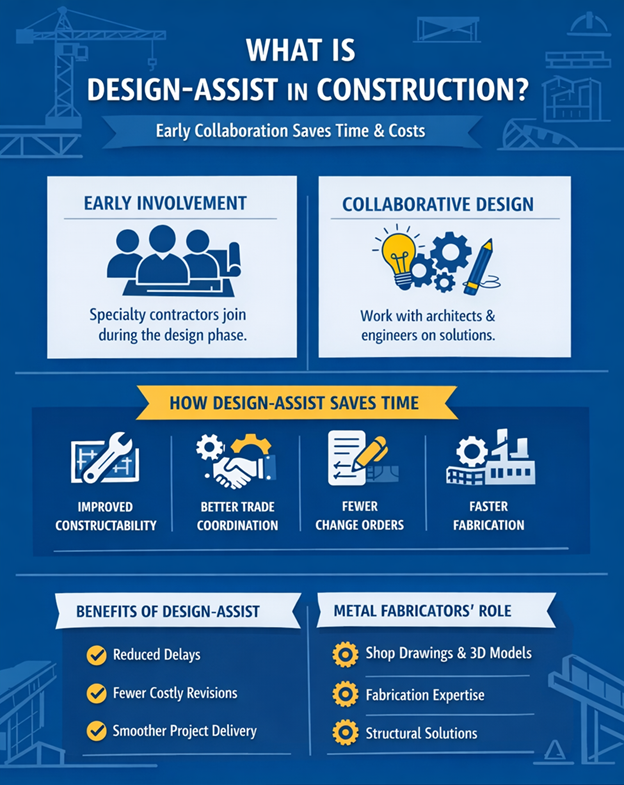
Design-assist is a collaborative project delivery method where key subcontractors—such as metal fabricators, structural steel contractors, and specialty trades—are brought into the project during the design phase. By involving these experts early in the process, project teams can improve constructability, reduce delays, and ultimately save both time and money.
What Is Design-Assist?
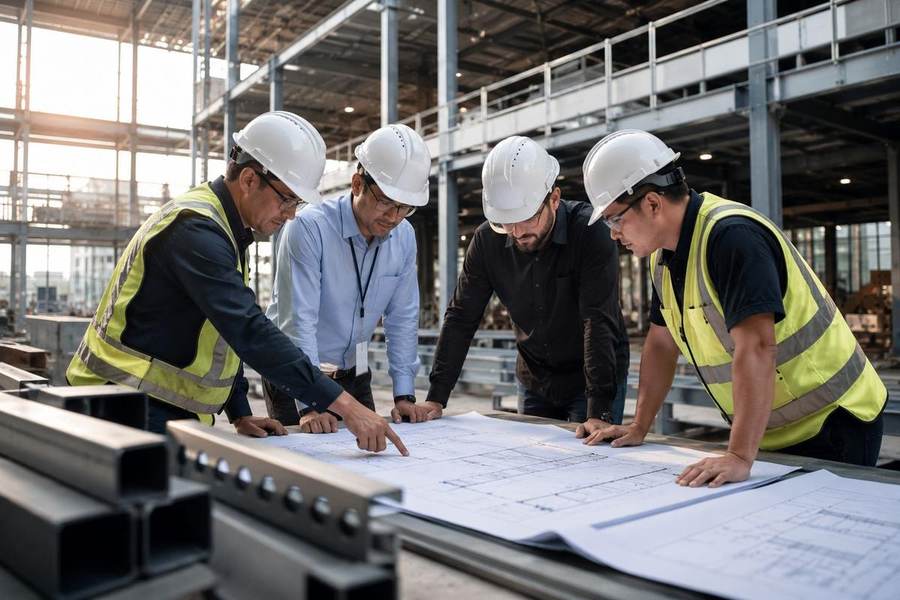
Design-assist is a construction approach where specialized contractors collaborate with architects and engineers before the final design is completed. Rather than waiting until drawings are finalized and bidding begins, fabricators and trade partners help guide the design to ensure it can be efficiently fabricated and installed.
This process allows contractors with hands-on experience in fabrication and installation to provide insight into:
- Material selection
- Structural feasibility
- Fabrication methods
- Installation sequencing
- Budget considerations
By incorporating real-world construction expertise early, project teams can identify potential issues before they become costly problems during construction.
How Design-Assist Differs from Traditional Project Delivery
In traditional construction projects, architects complete the design before subcontractors become involved. Once the design is finalized, the project goes out for bid, and contractors are selected to build exactly what is shown in the drawings.
While this approach works in many situations, it can also lead to challenges such as:
- Design elements that are difficult or expensive to fabricate
- Coordination conflicts between different trades
- Unexpected installation challenges
- Costly redesigns or change orders
Design-assist helps prevent these issues by allowing fabricators and trade specialists to contribute their expertise while the design is still evolving.
How Design-Assist Saves Time on Construction Projects
One of the biggest advantages of design-assist is its ability to streamline the construction process and keep projects on schedule.
Improved Constructability
Experienced fabricators understand how components are manufactured and installed in real-world conditions. By reviewing designs early, they can recommend adjustments that simplify fabrication and installation without compromising architectural intent.
This helps prevent delays that often occur when designs must be modified during construction.
Faster Coordination Between Trades
Large construction projects involve many different disciplines, including structural engineers, architects, mechanical contractors, and specialty fabricators. When trade partners collaborate during the design phase, they can coordinate their systems early and avoid conflicts later in the project.
Early coordination reduces the risk of scheduling issues and installation conflicts on the jobsite.
Reduced Change Orders
Changes made during construction are one of the most common causes of project delays and budget overruns. Design-assist helps minimize these issues by identifying potential problems during the design phase, when adjustments are easier and less costly to make.
More Efficient Fabrication
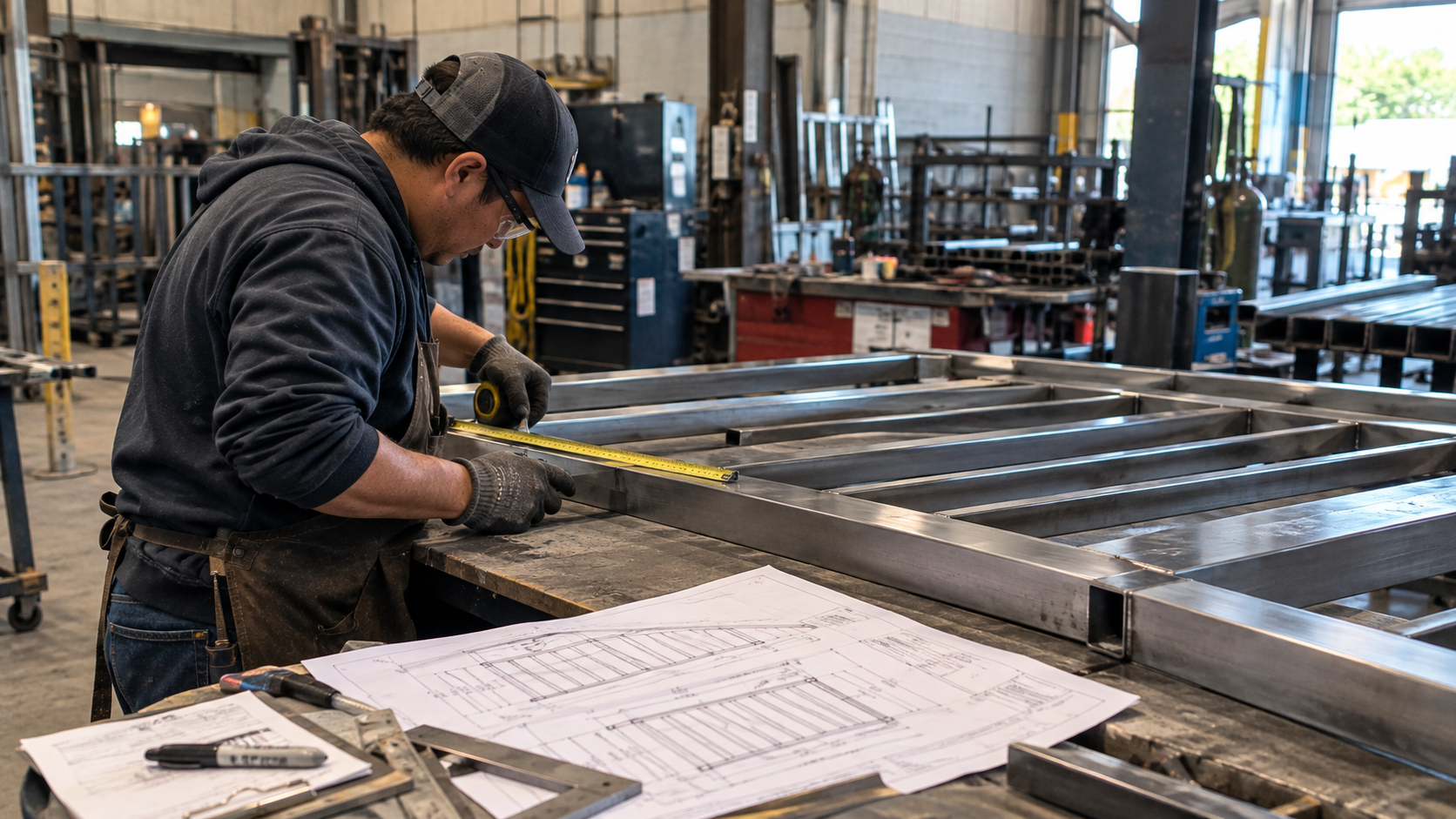
When fabricators are involved early, they can begin planning production, creating shop drawings, and preparing fabrication strategies before construction begins. This preparation allows materials and components to be produced more efficiently, helping maintain project timelines.
The Role of Metal Fabricators in Design-Assist Projects
Architectural metal fabricators often play a key role in design-assist construction projects. Their expertise in steel fabrication, custom metal systems, and installation methods can help refine designs and ensure that architectural elements are both buildable and structurally sound.
Metal fabricators commonly assist with:
- Developing detailed shop drawings and 3D models
- Recommending efficient fabrication techniques
- Advising on structural connections and support systems
- Coordinating with structural engineers and other trades
This collaboration helps ensure that complex architectural features—such as custom stair systems, architectural railings, and metal canopies—can be fabricated and installed smoothly.
Why Design-Assist Is Becoming More Common
As construction projects become more complex, design-assist has become a preferred approach for many architects and general contractors. The method encourages collaboration, improves project efficiency, and helps deliver high-quality results.
Key benefits include:
- Faster project timelines
- Improved coordination between trades
- Reduced risk of costly design revisions
- Better alignment between design intent and fabrication capabilities
For projects that include custom metal fabrication or complex architectural elements, early collaboration with experienced fabricators can make a significant difference in the success of the project.
Supporting Better Construction Outcomes
Design-assist bridges the gap between architectural design and real-world construction. By involving skilled fabricators and trade partners early in the process, project teams can solve problems before they arise and move projects forward with greater confidence.
As the construction industry continues to evolve, design-assist will remain an important strategy for delivering efficient, high-quality building projects on time and within budget.