
How Design-Build Collaboration Improves Commercial Construction Projects
In today’s commercial construction industry, successful projects depend on more than quality materials and skilled craftsmanship. Effective collaboration between architects, engineers, contractors, and specialty fabricators is essential to keeping projects on schedule, within budget, and aligned with the original design vision.
One project delivery approach that continues to gain popularity is design-build. By bringing key project partners together early, design-build encourages collaboration, reduces miscommunication, and improves overall project efficiency.
What Is Design-Build?
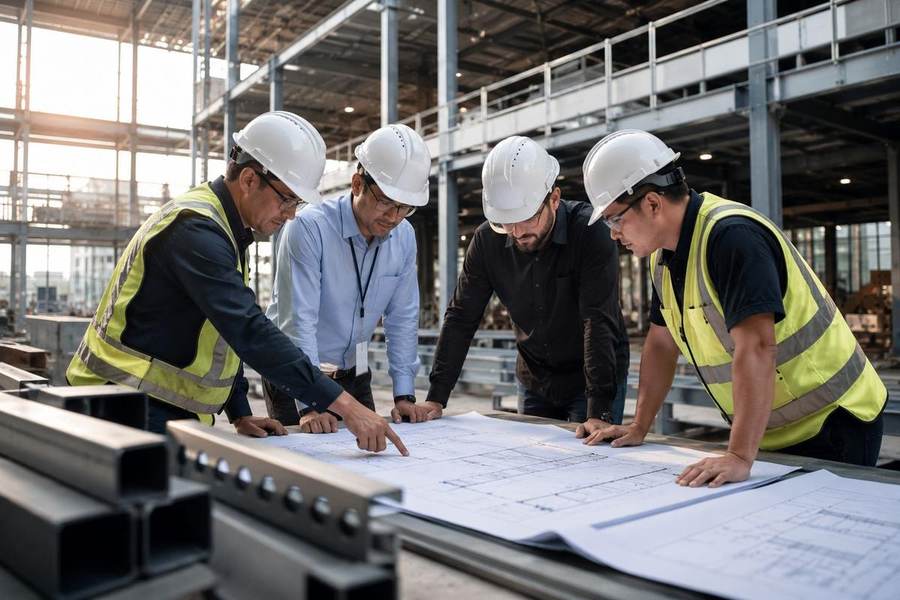
Design-build is a project delivery method where design and construction professionals work together as one integrated team from the beginning of a project. Rather than separating design and construction into two independent phases, the design-build approach promotes continuous communication throughout planning, fabrication, and installation.
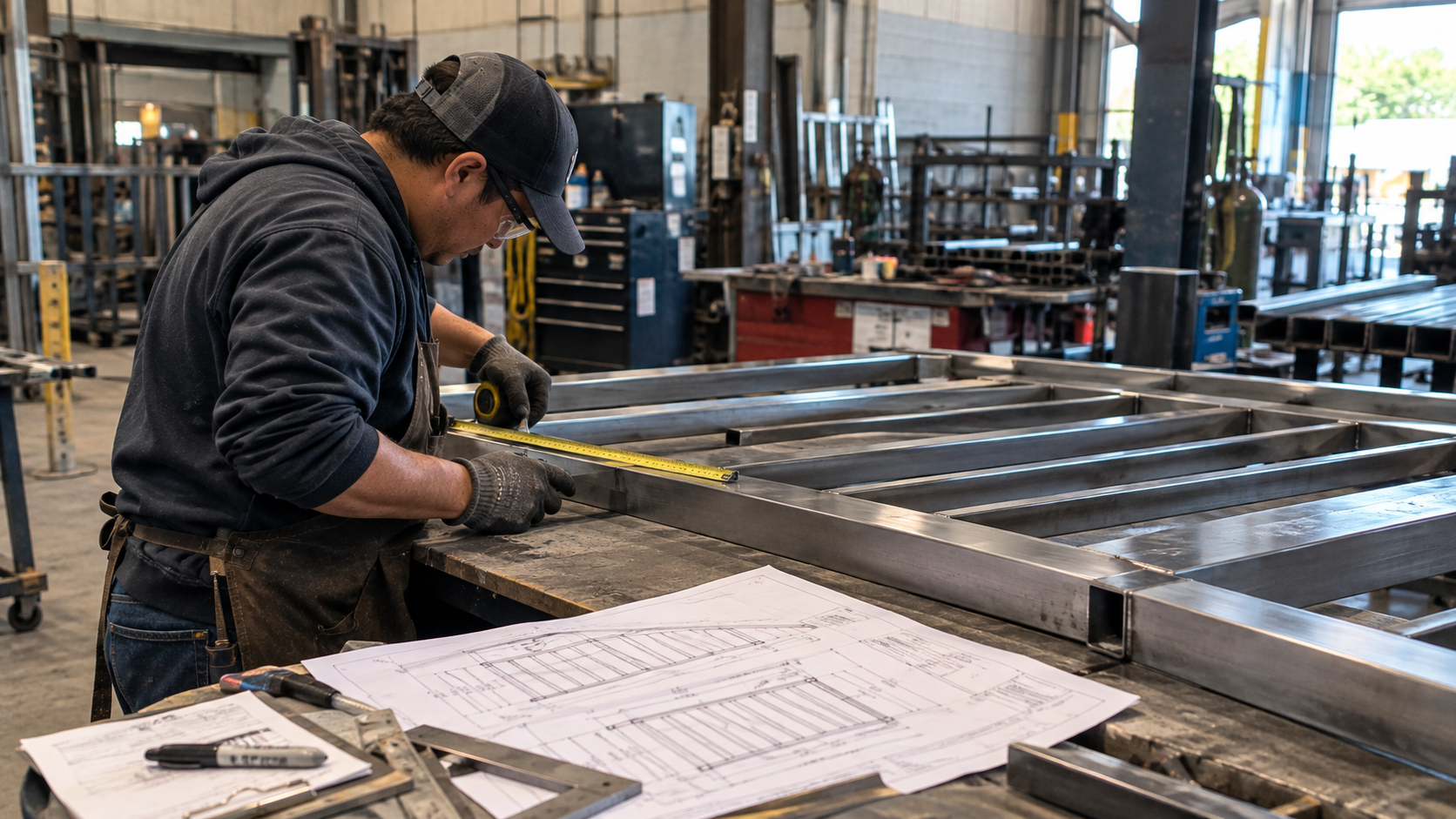
For specialty trades like architectural metal fabrication, early involvement allows fabricators to contribute practical insights before construction begins.
The Value of Early Collaboration
When fabricators are involved during the design phase, they can review concepts for constructability, recommend efficient fabrication methods, and identify potential challenges before they become costly issues.
Early collaboration helps project teams:
- Improve coordination between trades
- Reduce design conflicts
- Streamline fabrication planning
- Support accurate scheduling
- Minimize field modifications
This proactive approach helps projects move more efficiently from concept to completion.
Better Coordination Between Project Teams
Commercial construction projects involve many disciplines working together, including architects, structural engineers, mechanical contractors, electricians, and specialty fabricators.
Strong communication between these teams helps ensure that building systems fit together properly and reduces the likelihood of delays caused by coordination issues.
For architectural metal fabrication, accurate coordination is especially important when integrating railings, stair systems, canopies, and custom metal features into the overall building design.
Improving Fabrication Efficiency
Design-build collaboration allows fabricators to begin planning materials, shop drawings, and production schedules earlier in the project lifecycle.
This results in:
- More efficient material procurement
- Improved production planning
- Better quality control
- Reduced fabrication delays
Early planning also allows fabrication teams to identify opportunities for value engineering without compromising design intent.
Reducing Project Risk
Unexpected design changes are one of the leading causes of construction delays and budget overruns.
By involving experienced fabrication professionals during design, project teams can resolve many issues before fabrication begins, reducing the need for costly revisions during construction.
This approach supports smoother project execution and greater confidence throughout the construction process.
Supporting Architectural Vision
Modern commercial buildings often feature custom architectural elements that require close collaboration between designers and fabricators.
Through the design-build process, fabrication teams help ensure that custom metal components can be manufactured efficiently while maintaining the architect’s vision.
Whether producing architectural railings, decorative screens, stair systems, or specialty metalwork, collaboration leads to better outcomes for both design and construction.
Why It Matters
As commercial construction projects become increasingly complex, collaboration has become one of the most valuable tools for improving project performance.
Design-build encourages teamwork, enhances communication, and allows project partners to solve problems before they impact the schedule or budget.
For owners, architects, and contractors alike, this approach creates opportunities to deliver higher-quality projects with greater efficiency.
Conclusion
Successful commercial construction depends on collaboration. By bringing architects, engineers, contractors, and fabricators together early in the process, design-build helps improve coordination, reduce risk, and deliver projects more efficiently.
For architectural metal fabrication, early involvement means better planning, smoother installation, and solutions that align with both structural requirements and design goals. As the industry continues to evolve, collaborative project delivery will remain a key factor in achieving successful construction outcomes.