
How Custom Metal Fabrication Supports Sustainable Building Design
Sustainability has become a major priority in modern construction. Architects, developers, and contractors are increasingly looking for building solutions that reduce environmental impact while maintaining long-term performance and durability.
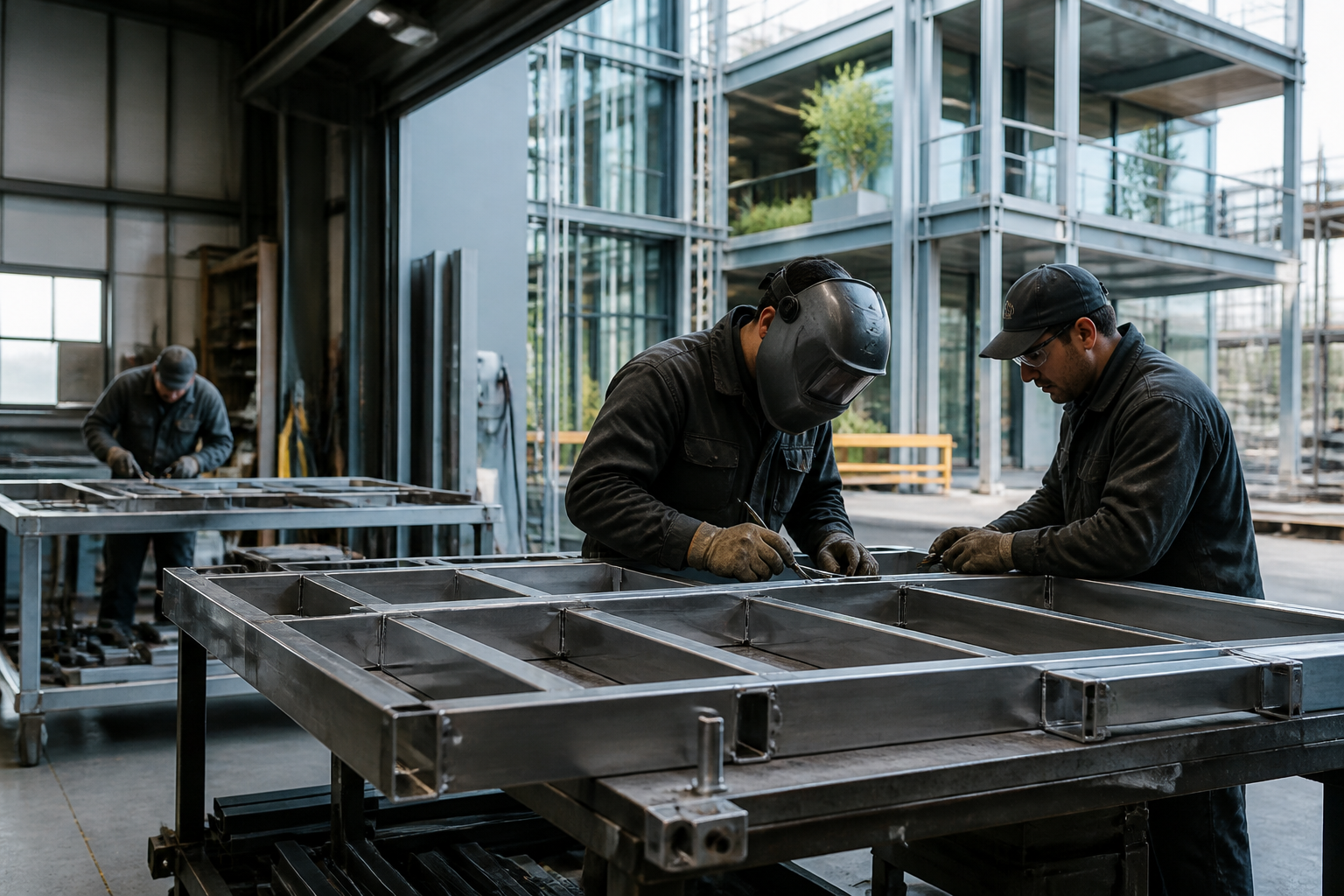
Custom metal fabrication supports these goals by producing durable, efficient, and precisely manufactured components that contribute to sustainable building practices. From reducing material waste to creating long-lasting architectural features, custom fabrication plays an important role in environmentally responsible construction.
Sustainability in Modern Construction
Green building is no longer limited to large commercial developments. Projects of all sizes are incorporating sustainable design strategies to improve energy efficiency, reduce waste, and extend the lifespan of building materials.
Architectural metal fabrication contributes to these objectives by providing products that combine strength, longevity, and recyclability.
Reducing Material Waste Through Precision
One of the key advantages of custom metal fabrication is precision manufacturing.
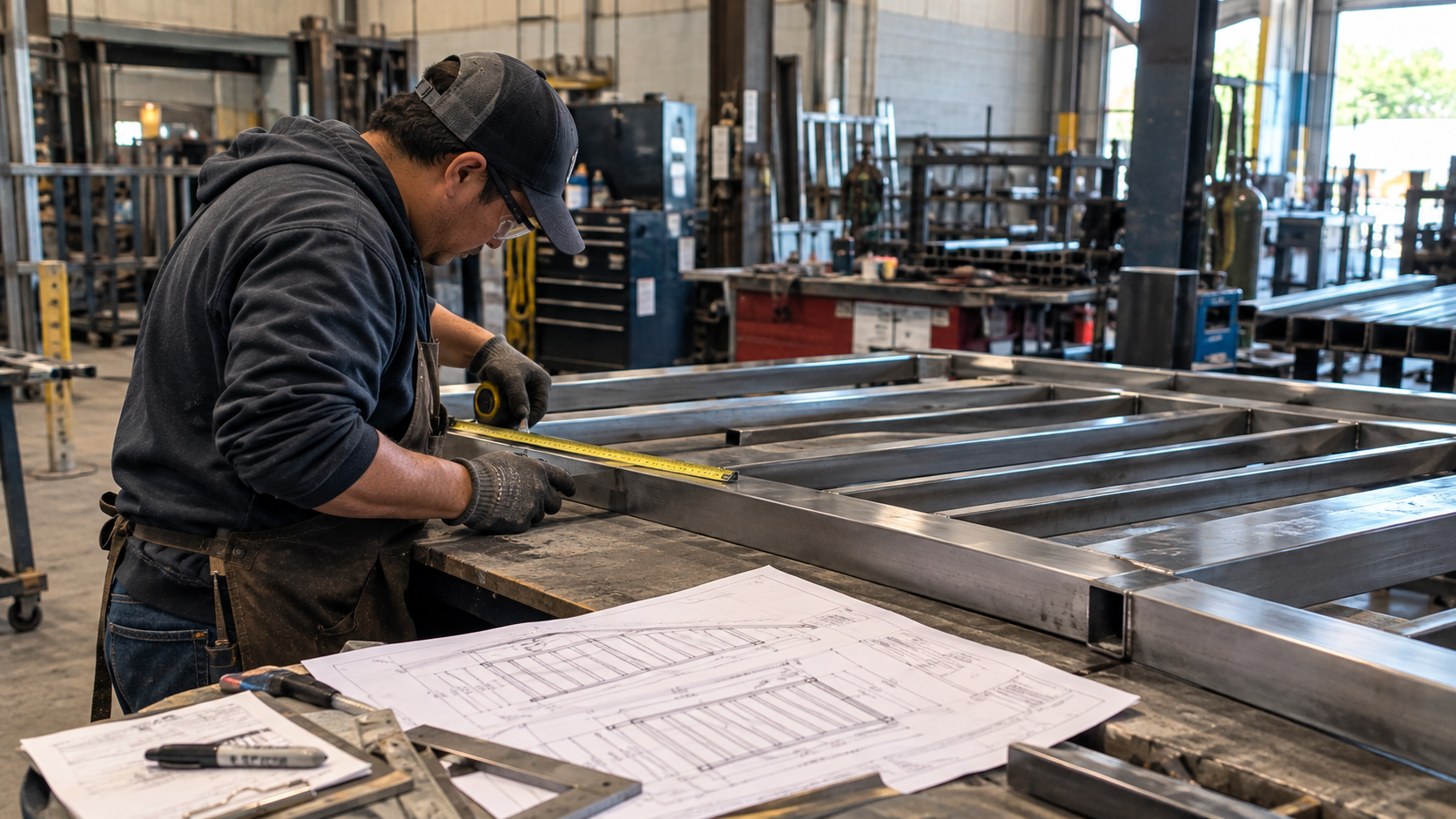
Detailed shop drawings and carefully planned production processes allow fabricators to produce components that match exact project specifications. This minimizes unnecessary cutting, reduces material waste, and limits the need for field modifications.
By manufacturing components accurately the first time, projects can reduce excess material while improving installation efficiency.
Durable Materials for Long-Term Performance
Metal products are known for their strength and durability.
Materials such as stainless steel, aluminum, and structural steel are designed to perform for decades with proper fabrication and finishing.
Long-lasting building components help reduce replacement costs, minimize maintenance requirements, and extend the overall life of a structure.
Recyclable Building Materials
Many metals used in commercial construction are highly recyclable without losing their structural properties.
Steel and aluminum can be recycled and reused in future construction projects, supporting a circular approach to material use and reducing demand for new raw materials.
Choosing recyclable materials helps contribute to more sustainable construction practices.
Improving Construction Efficiency
Custom fabrication also improves sustainability by streamlining the construction process.
Precisely fabricated components arrive on-site ready for installation, helping reduce:
- Material waste
- On-site rework
- Construction delays
- Equipment usage
- Transportation inefficiencies
Efficient installation benefits both project schedules and overall resource consumption.
Supporting Energy-Efficient Buildings
Architectural metal fabrication contributes to modern building performance through products such as:
- Sunshade systems
- Metal canopies
- Architectural screens
- Exterior shading devices
- Custom façade elements
These features can improve building performance while supporting contemporary architectural design.
The Value of Experienced Fabrication Partners
Delivering sustainable construction solutions requires careful planning and collaboration.
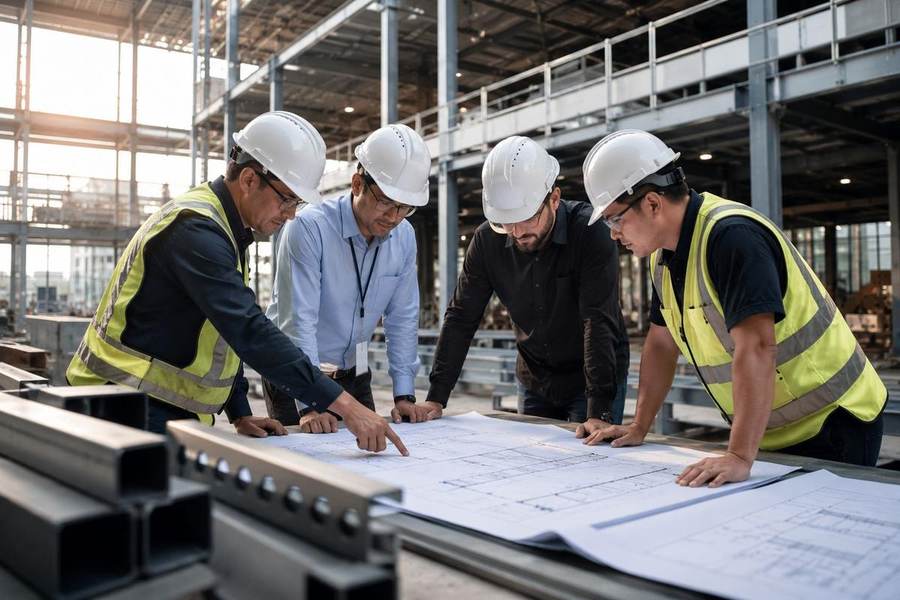
Experienced fabrication teams work closely with architects, engineers, and contractors to recommend materials, fabrication methods, and installation strategies that support both project goals and long-term performance.
Early collaboration often leads to better outcomes for both the project and the environment.
Conclusion
Sustainable construction depends on smart design, efficient manufacturing, and durable materials. Custom metal fabrication supports these goals by delivering precise, long-lasting, and recyclable building components that improve both project performance and environmental responsibility.
As the construction industry continues to prioritize sustainability, custom metal fabrication will remain an essential part of creating buildings that are built to last while reducing their environmental impact.